
Your skilled nursing facility depends on a steady stream of referrals to maintain census and revenue. But what happens when your admissions process becomes the very thing driving potential patients away?
Many SNF administrators don’t realize that their current admissions workflows are silently sabotaging their referral relationships. Hospital discharge planners, case managers, and other referring providers have options: and they’ll quickly shift their referrals to facilities that make their jobs easier.
Here are five critical warning signs that your admissions process is costing you valuable referrals, and what you can do about it.
Sign #1: Your Response Time to Referrals Exceeds 30 Minutes
In today’s competitive post-acute care market, speed kills: or saves. If you’re taking hours to respond to referral requests, you’re already losing the game.
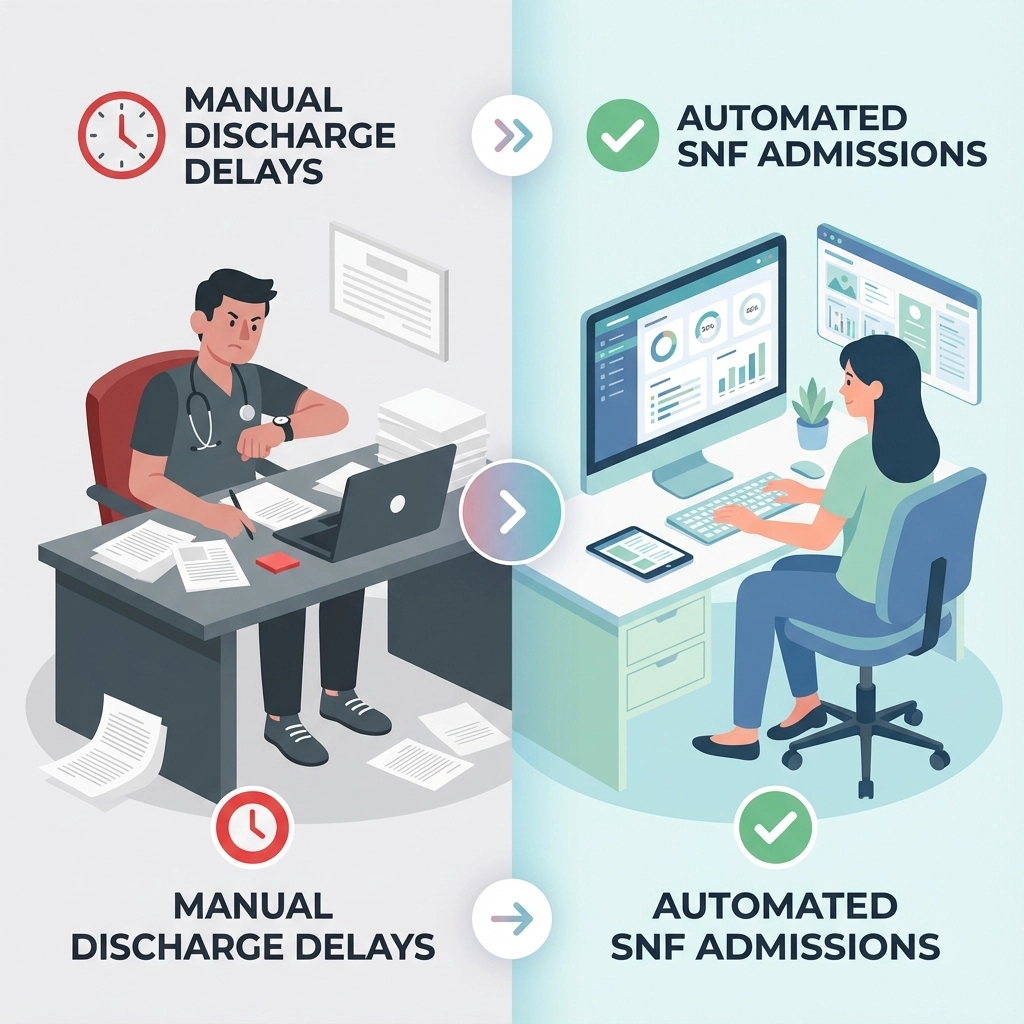
The Reality Check: Top-performing skilled nursing facilities respond to referrals within 15-30 minutes. Facilities taking 2+ hours to respond see referral acceptance rates drop by 40% or more. Hospital discharge planners can’t wait around for slow responses when they have pressure to discharge patients quickly.
Why This Happens: Most SNFs still rely on manual processes where staff manually review each referral, print documents, walk them to clinical staff, wait for reviews, and then call back. This outdated approach creates unnecessary delays at every step.
The Cost: Every hour of delay increases the likelihood that the referring provider will place the patient elsewhere. Studies show that facilities responding within 15 minutes win 60% more competitive referrals than those taking over an hour.
The Solution: Implementing automated referral management systems can reduce response times from 45+ minutes to under 5 minutes. Smart automation handles initial screenings, flags urgent cases, and ensures your team responds while the referral is still hot.
Sign #2: High Documentation Rejection and Claim Denial Rates
If you’re frequently asking for additional documentation or experiencing high claim denial rates, you’re sending a clear message to referring providers: working with your facility is difficult and risky.
The Warning Signs:
- Requesting additional documentation on more than 20% of referrals
- Claim denial rates above industry averages (typically 5-10%)
- Frequent reimbursement disputes or payment delays
- Referring providers complaining about “incomplete” or “confusing” admission requirements
The Hidden Impact: Every time you request additional documentation, you’re creating friction. Hospital discharge planners start to view your facility as “high-maintenance” and will naturally gravitate toward SNFs with smoother admission processes.
Root Causes: Inconsistent documentation standards, unclear admission criteria, manual verification processes, and lack of real-time insurance verification all contribute to this problem.
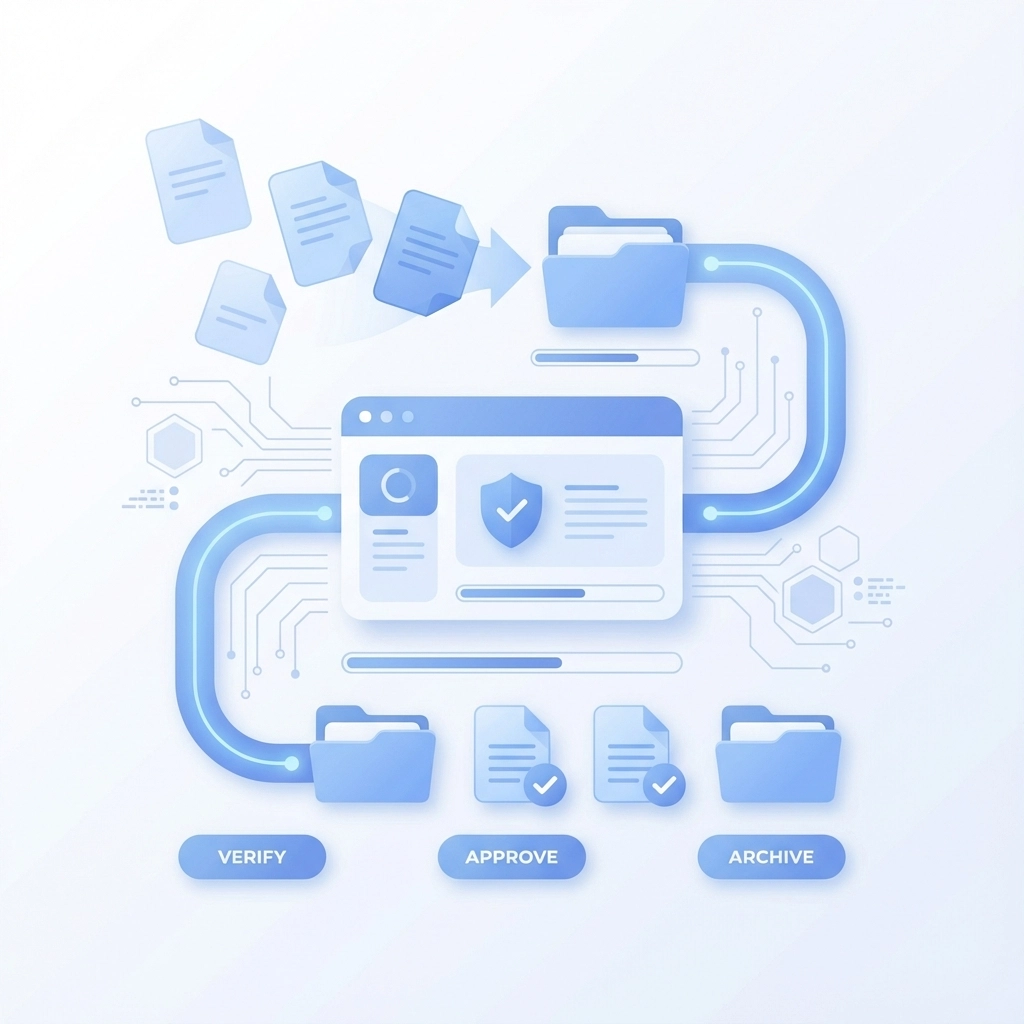
The Solution: Standardized digital intake processes with built-in documentation checklists ensure you collect complete information upfront. Real-time insurance verification prevents payment surprises down the road.
Sign #3: Communication Breakdowns with Referring Providers
Poor communication is the fastest way to damage referral relationships. When hospital discharge planners can’t get clear, timely updates about admission status, they lose confidence in your facility.
Common Communication Failures:
- Taking multiple calls to reach the right person
- Providing conflicting information between admissions staff
- Failing to communicate admission decisions promptly
- No clear point of contact for referral questions
- Delayed notifications about bed availability changes
The Relationship Cost: Healthcare is built on relationships. Discharge planners work with facilities they trust and avoid those that create stress or confusion. Poor communication directly translates to fewer referrals.
Case Study: Maple Grove SNF improved their referral acceptance rate from 85% to 96% simply by streamlining their communication processes and reducing response times from 48 hours to 16 hours.
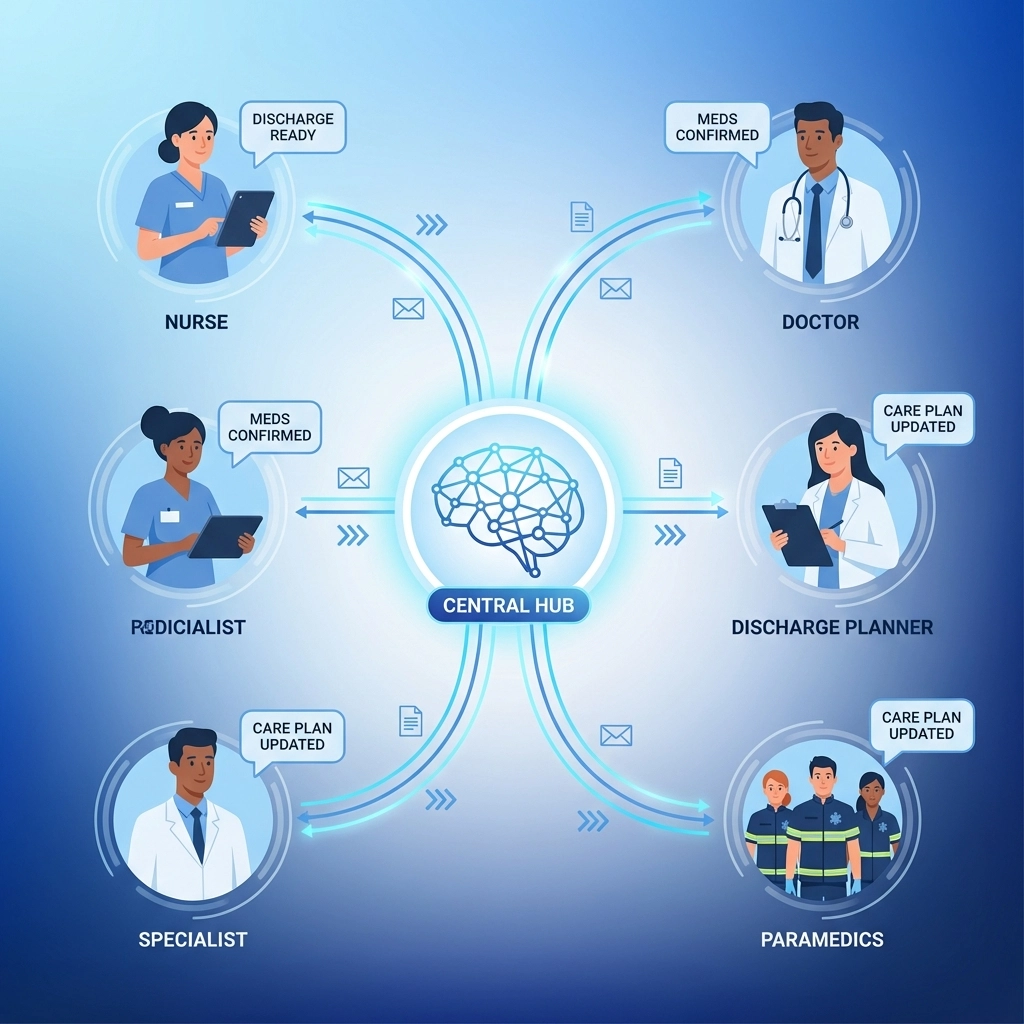
The Fix: Centralized communication systems ensure consistent messaging. Automated status updates keep referring providers informed without requiring manual follow-ups.
Sign #4: Missing Regulatory Deadlines and Compliance Issues
Compliance problems don’t just risk penalties: they actively damage your reputation with referring providers who need to trust that patients will receive appropriate care.
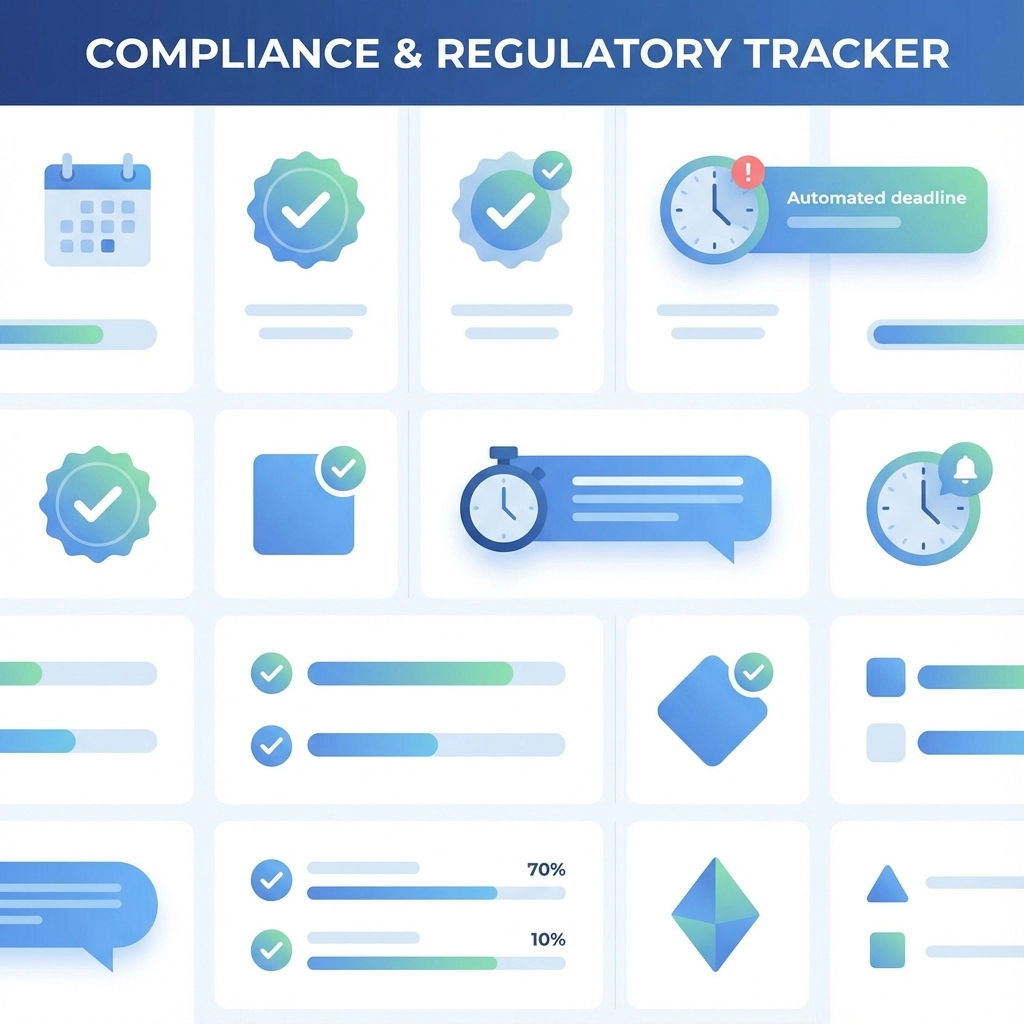
Critical Compliance Areas:
- SNF Quality Reporting Program (QRP) deadlines
- MDS assessment timing requirements
- Medicare Part A certification compliance
- State licensing and regulatory updates
- Joint Commission or other accreditation standards
The Referral Impact: Referring providers research facilities before making referrals. Poor quality ratings, compliance violations, or regulatory warnings signal potential problems. Discharge planners naturally refer to facilities with strong compliance records.
Hidden Costs: Beyond direct penalties, compliance issues create administrative overhead. Staff spend time on corrective actions instead of processing new referrals efficiently.
Prevention Strategy: Automated compliance tracking and deadline management prevent issues before they impact your reputation. Regular staff training on regulatory updates ensures consistent adherence to standards.
Sign #5: Inconsistent or Unclear Admission Criteria
When referring providers can’t predict whether you’ll accept their patients, they stop referring altogether. Inconsistent admission decisions create uncertainty and frustration.
Signs of Inconsistent Criteria:
- Different clinical staff making conflicting admission decisions
- Accepting similar patients sometimes but not others
- Unclear communication about what types of patients you prefer
- Frequent changes to admission criteria without proper communication
- Staff making admission decisions based on “gut feeling” rather than clear standards
The Provider Perspective: Hospital discharge planners need predictability. If they can’t reliably predict whether you’ll accept a referral, they’ll default to facilities with clearer, more consistent standards.
Business Impact: Inconsistent admission criteria lead to:
- Reduced referral volume from frustrated providers
- Inefficient use of clinical staff time reviewing inappropriate referrals
- Mixed census patterns that complicate staffing and resource planning
The Standardization Solution: Clear, documented admission criteria with automated screening processes ensure consistent decisions. When every team member uses the same standards, referring providers know exactly what to expect.
The Technology Solution: Smart Admissions Automation
These five warning signs all point to the same underlying problem: manual, inconsistent processes that create friction for referring providers. The solution isn’t working harder: it’s working smarter.
Modern admissions automation addresses each of these issues systematically:
- Automated referral screening reduces response times from hours to minutes
- Real-time insurance verification prevents claim denials and payment delays
- Centralized communication hubs eliminate confusion and ensure consistent messaging
- Compliance tracking systems prevent regulatory issues before they impact referrals
- Standardized admission criteria with automated application ensure consistent decisions
Taking Action: Your Next Steps
Don’t let a broken admissions process continue costing you referrals. The competitive landscape for skilled nursing facilities is too challenging to handicap yourself with inefficient workflows.
Start by auditing your current process against these five warning signs. Track your average response times, documentation request rates, and communication touchpoints. The data will reveal which areas need immediate attention.
Remember: every day you delay fixing these issues is another day of lost referrals, frustrated referring providers, and missed revenue opportunities.
Ready to transform your admissions process? Smart Admissions has helped facilities reduce referral response times by 90% while improving acceptance rates. See how our AI-powered platform can eliminate these common pitfalls and start winning more referrals.
Schedule your personalized demo today and discover how the right technology can turn your admissions process from a liability into a competitive advantage.
Tags: skilled nursing facility admissions, ai referral management, admissions automation healthcare, streamline referral process, post-acute care software, fill nursing home beds faster, real-time referral response