
Your admissions team reviews dozens of referrals every week, but are you catching the critical clinical details that could impact patient safety, care outcomes, and your facility’s success rate? Missing key red flags during the initial referral review can lead to inappropriate admissions, unexpected complications, and costly readmissions.
In today’s competitive post-acute care environment, skilled nursing facilities need more than just speed, they need precision in their clinical assessments. The difference between a successful admission and a problematic one often comes down to identifying subtle warning signs buried in referral documentation.
Why Clinical Red Flags Matter in Referral Screening
Every referral tells a story, but not all stories are complete. Hospital discharge planners and case managers may inadvertently omit crucial details or downplay complications that could significantly impact a patient’s care trajectory. Your admissions team serves as the final checkpoint before accepting responsibility for a patient’s complex medical needs.
Missing these red flags doesn’t just affect one patient, it impacts your entire operation. Inappropriate admissions can lead to emergency transfers, family dissatisfaction, regulatory scrutiny, and financial losses that ripple through your facility for months.

Red Flag #1: Incomplete or Inconsistent Medication Lists
One of the most dangerous oversights in referral screening is accepting incomplete medication reconciliation. When medication lists don’t align between different sections of the referral, or when high-risk medications appear without proper monitoring protocols, your facility inherits significant liability.
Watch for discrepancies between the discharge medication list and the medication administration record. Pay special attention to anticoagulants, insulin regimens, and psychotropic medications that require careful monitoring and potential dose adjustments. If a patient is on warfarin but you don’t see recent INR results, that’s a red flag requiring immediate clarification.
Missing pain management protocols for post-surgical patients can also indicate incomplete planning. Patients discharged with inadequate pain control often experience complications that require emergency intervention.
Red Flag #2: Unresolved Infection or Unclear Antibiotic Course
Accepting patients with active infections requires careful assessment of treatment timelines and response to therapy. Red flags include vague documentation about infection status, missing culture results, or unclear antibiotic duration.
Be particularly cautious with MRSA, C. diff, or multi-drug resistant organisms (MDROs) where isolation protocols and contact precautions are essential. If the referral doesn’t clearly outline the infection control requirements or expected treatment duration, you’re accepting an unknown risk level.
Wound infections, urinary tract infections, and respiratory infections that show poor response to initial treatment may indicate antibiotic resistance or underlying complications that weren’t fully addressed during the acute stay.
Red Flag #3: Unstable Chronic Conditions with Poor Control
Patients with diabetes, heart failure, chronic kidney disease, or COPD require ongoing management expertise. Red flags include recent hemoglobin A1C levels above 9%, uncontrolled hypertension with systolic pressures consistently over 160, or heart failure with recent exacerbations.
Look for patterns of frequent hospitalizations for the same condition within the past 90 days. This pattern often indicates either inadequate disease management or patient non-adherence that may continue in your facility.
Renal function deserves special attention. Patients with rapidly declining kidney function or those requiring new dialysis access may need resources beyond your facility’s capabilities.
Red Flag #4: Inadequate Family or Support System Documentation
Social determinants significantly impact patient outcomes, yet referrals often minimize psychosocial complexities. Red flags include vague family involvement descriptions, history of family conflicts with healthcare teams, or unrealistic family expectations about recovery timelines.
Pay attention to patients who lack decision-making capacity but don’t have clear power of attorney designation. Legal guardianship issues can complicate care decisions and discharge planning significantly.
Financial concerns also warrant attention. Patients with insurance coverage gaps or pending Medicaid applications may face extended stays that strain your resources and complicate discharge planning.
Red Flag #5: Behavioral or Psychiatric Complications Without Management Plan
Mental health conditions require specialized attention that many facilities aren’t equipped to provide. Red flags include recent psychiatric hospitalizations, medication non-adherence leading to decompensation, or behavioral issues that required security intervention during the acute stay.
Sundowning, aggressive behavior, or wandering tendencies in dementia patients need comprehensive management plans. If the referral doesn’t outline successful behavioral interventions or current medication management for these issues, you’re inheriting significant challenges.
Substance abuse history, especially recent withdrawal or ongoing addiction issues, requires resources and expertise that may exceed your facility’s capabilities.
Red Flag #6: Complex Wound or Skin Integrity Issues
Pressure injuries, surgical wounds, or complex medical device sites require specialized nursing expertise and resources. Red flags include Stage 3 or 4 pressure ulcers without clear healing trajectories, wounds with signs of infection, or multiple wound sites requiring different treatment protocols.
Post-surgical patients with complicated healing, dehiscence, or drainage issues may need more intensive monitoring than your nursing ratios can accommodate. Similarly, patients with multiple tubes, drains, or complex dressing requirements may strain your staffing resources.
Nutrition status also impacts wound healing significantly. Patients with severe malnutrition, significant weight loss, or feeding difficulties may have prolonged healing times that affect their overall recovery trajectory.

Red Flag #7: Incomplete Diagnostic Workups or Pending Results
Accepting patients with incomplete diagnostic evaluations means accepting unknown risks. Red flags include pending biopsy results, incomplete cardiac workups after chest pain episodes, or neurological symptoms without imaging studies.
Recent falls with head trauma require complete neurological evaluation before transfer. If CT scans are pending or neurological assessments are incomplete, you may be accepting a patient with undiagnosed traumatic brain injury.
Laboratory abnormalities that haven’t been fully evaluated also present risks. Unexplained anemia, electrolyte imbalances, or abnormal liver functions may indicate underlying conditions that could complicate the patient’s stay significantly.
Implementing Systematic Red Flag Screening
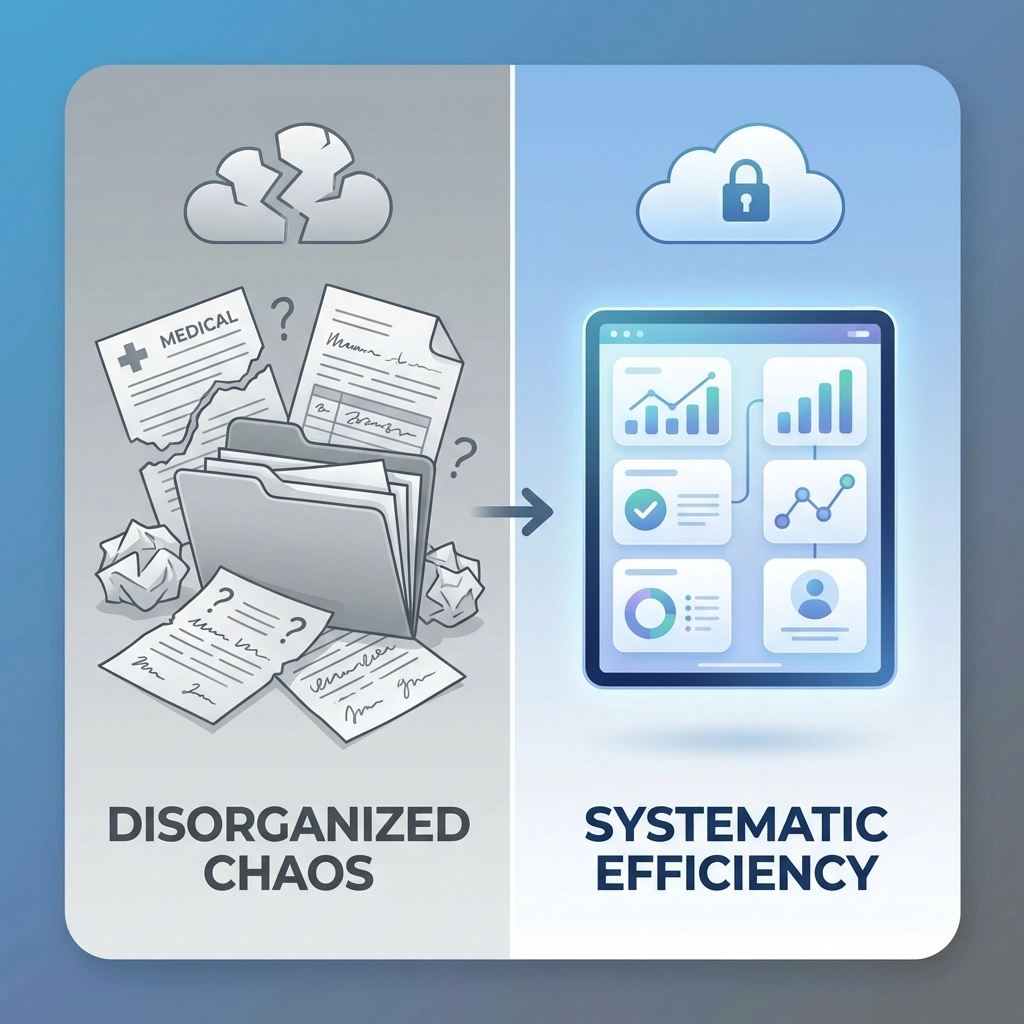
Transform your referral review process by creating standardized checklists that ensure consistent evaluation of these critical areas. Train your admissions team to ask specific follow-up questions when red flags appear, and establish clear escalation protocols for complex cases.
Consider implementing a scoring system that quantifies risk levels based on the number and severity of red flags present. This systematic approach helps ensure that admission decisions align with your facility’s capabilities and risk tolerance.
Documentation is crucial. When you identify red flags, document your assessment and the additional information gathered to address concerns. This documentation protects your facility and ensures continuity of care.
How AI Enhances Clinical Red Flag Detection
Modern AI-powered referral management systems can automatically scan referral documentation to identify these red flags and alert your admissions team to potential concerns. Smart technology can cross-reference medication lists, flag incomplete information, and highlight inconsistencies that human reviewers might miss during busy periods.
AI systems can also track patterns across multiple referrals, helping you identify referring sources that consistently provide incomplete documentation or facilities with higher complication rates. This data-driven approach improves your overall referral screening effectiveness.
By combining human clinical expertise with AI-powered analysis, your facility can catch more red flags while processing referrals faster and more efficiently.
Building a Culture of Clinical Excellence
Effective red flag screening requires more than just checklists, it requires a culture that prioritizes patient safety and clinical excellence over admission volume. Encourage your team to ask tough questions and advocate for complete information before accepting challenging cases.
Regular case reviews and outcome tracking help your team learn from experience and refine their red flag detection skills. When complications occur, trace them back to the initial referral to identify missed warning signs and prevent similar issues.
Remember that saying “no” to inappropriate referrals protects both your patients and your facility’s reputation. A selective admission approach leads to better outcomes, higher family satisfaction, and improved financial performance.
Your skilled nursing facility’s success depends on making informed admission decisions based on complete clinical information. By systematically identifying and addressing these seven critical red flags, your admissions team can improve patient outcomes while protecting your facility’s resources and reputation.
Don’t leave clinical assessment to chance. Schedule a demo to see how Smart Admissions’ AI-powered referral management system can help your team catch these critical red flags automatically, ensuring safer admissions and better outcomes for your patients.