
When a discharge planner calls with a referral, every minute counts. The difference between responding in 5 minutes versus 5 hours often determines whether you get that admission or your competitor down the street does.
The harsh reality? Most skilled nursing facilities are losing quality referrals simply because they’re too slow to respond. While you’re gathering paperwork and scheduling review meetings, faster facilities are already saying “yes” and securing the placement.
Recent data shows that facilities implementing real-time referral response systems see dramatic improvements in their admission rates: with some achieving increases of 40% or more within the first year.
Why Response Speed Drives Admission Success
The referral landscape has fundamentally changed. Discharge planners no longer have the luxury of waiting 24-48 hours for responses. Hospital length-of-stay pressures mean they need answers fast, and they’ll go with the first quality facility that can confirm availability.
The First-Responder Advantage
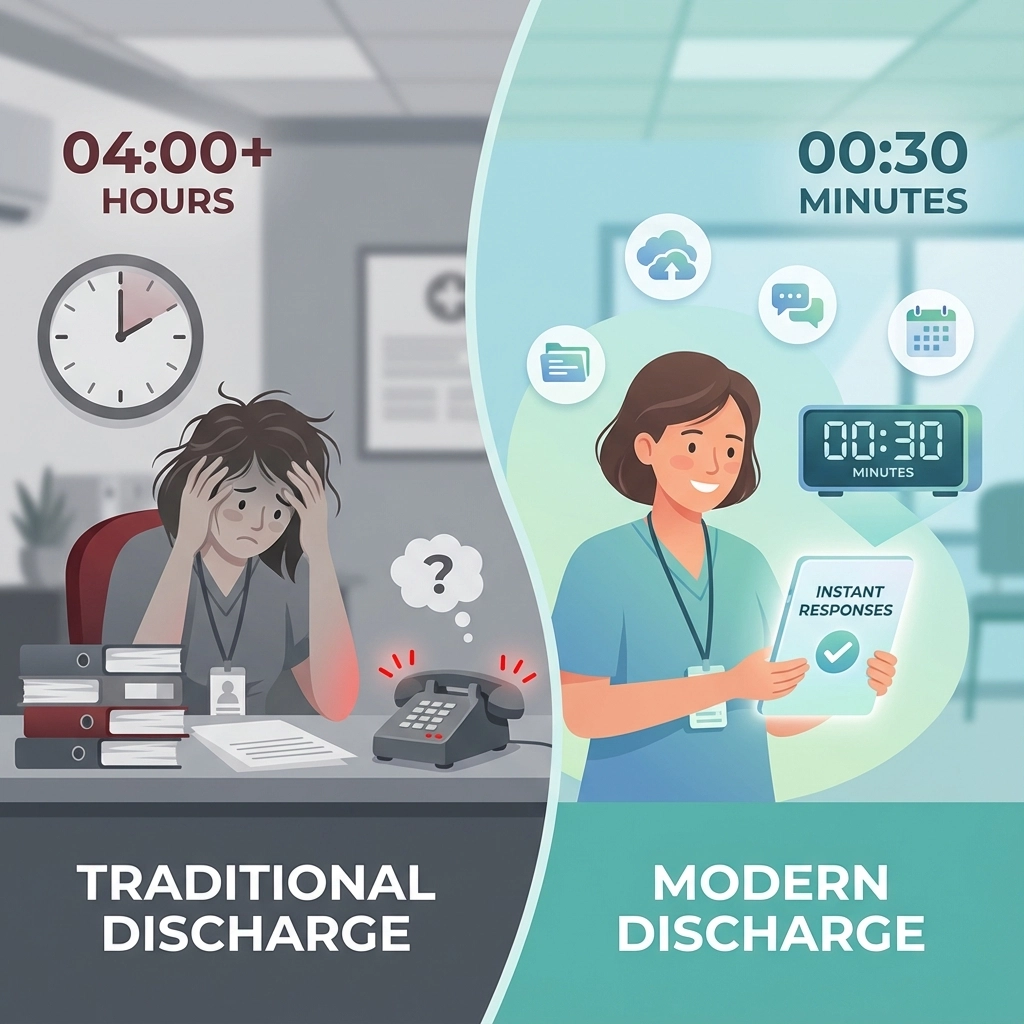
When multiple facilities are competing for the same referral, speed becomes the tiebreaker. A facility that responds within 30 minutes has a significant competitive edge over one that takes 4+ hours. This isn’t just about being polite: it’s about demonstrating operational efficiency and readiness to provide care.
Consider this scenario: A discharge planner receives orders to place a post-surgical patient by end of day. They send referrals to five facilities. The first two respond within an hour with availability confirmation. The other three take 3-6 hours to respond. Which facilities do you think get the placement?
Trust and Confidence Building
Quick responses signal more than just efficiency: they indicate that your facility has its act together. Discharge planners develop confidence in facilities that consistently respond promptly because it suggests:
- Robust staffing and systems
- Clear decision-making processes
- Proactive bed management
- Reliable communication protocols
This confidence translates into more referrals over time, creating a positive feedback loop for high-performing facilities.
The Data Behind Response Time Impact
Real-world implementations of instant referral response systems have produced measurable results across multiple facilities:
Case Study 1: Regional SNF Chain
A 120-bed skilled nursing facility reduced their average referral response time from 4 hours to under 30 minutes using automated referral management. Within six months, they saw an 18% increase in admission rate and filled beds 23% faster than the previous year.
Case Study 2: Independent Facility
A standalone 80-bed facility improved response times from 8 hours to 1.5 hours and watched their referral conversion rate jump from 38% to 57%: representing nearly a 50% improvement in their ability to convert referrals to admissions.
Industry Benchmarks
The most successful facilities in today’s competitive environment share common response time characteristics:
- Top Performers: Respond to referrals within 15-30 minutes
- Average Facilities: Take 2-4 hours to respond
- Struggling Facilities: Often take 6+ hours or miss referrals entirely
The correlation between response speed and admission success is clear: faster facilities win more referrals.
The Technology Behind Instant Responses
Achieving consistent sub-30-minute response times isn’t just about working harder: it requires the right systems and processes.
Real-Time Alert Systems
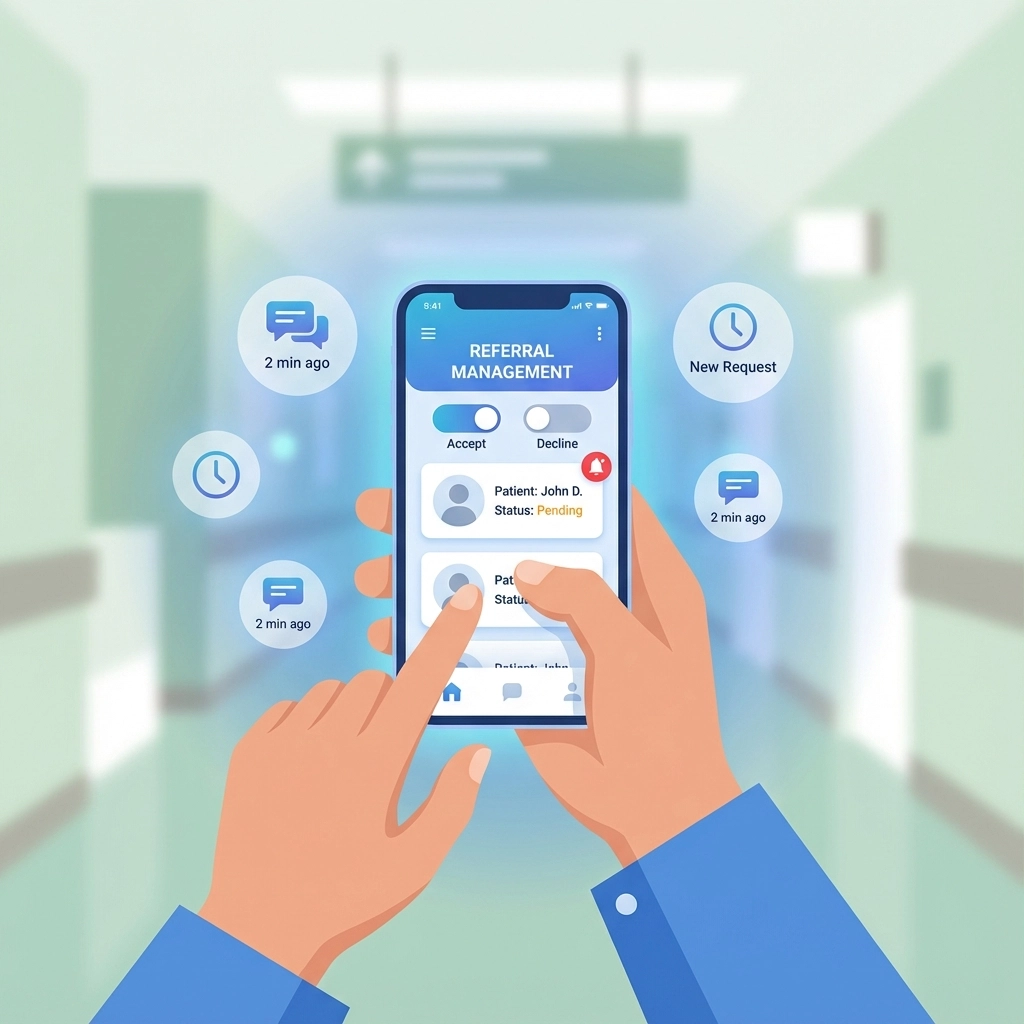
Modern referral management platforms can instantly notify the right team members when new referrals arrive. Instead of emails sitting in inboxes or faxes piling up on desks, key personnel receive immediate alerts via text, email, or mobile app notifications.
Automated Initial Screening
AI-powered systems can perform preliminary eligibility screening within minutes of receiving a referral. By automatically checking:
- Insurance verification and authorization status
- Clinical acuity levels and care requirements
- Bed availability by unit and specialty
- Regulatory compliance factors
These systems can often provide initial “likely acceptance” responses while human reviewers complete more detailed assessments.
Streamlined Approval Workflows
The fastest-responding facilities have eliminated unnecessary approval layers and empowered front-line admissions staff to make faster decisions. Digital workflows route referrals to the right clinical reviewers instantly and track decision timelines in real-time.

Implementation Strategies for Instant Response
Start with Process Mapping
Before implementing new technology, map your current referral process from initial contact to final admission decision. Identify bottlenecks like:
- Unclear decision-making authority
- Manual data entry requirements
- Multiple handoffs between departments
- Lack of real-time bed availability data
Establish Clear Response Time Goals
Set specific, measurable targets for your team:
- Acknowledge receipt: Within 15 minutes
- Initial screening complete: Within 30 minutes
- Final decision communicated: Within 2 hours
- Admission scheduled: Same day for appropriate referrals
Invest in Mobile Capability
Your admissions team needs to respond to referrals whether they’re at their desk, in meetings, or off-site. Mobile-optimized referral management systems ensure responses don’t wait for someone to return to their computer.
Create Backup Response Protocols
Even with great systems, coverage gaps happen. Establish clear backup protocols so referrals never go unanswered:
- Cross-train multiple team members on referral response
- Set up automatic escalation for unanswered referrals
- Maintain updated on-call schedules
- Use virtual assistants or answering services for after-hours coverage
Measuring and Optimizing Performance
Key Metrics to Track
To understand the impact of faster response times on your admission rate, monitor these critical metrics:
- Average Response Time: From referral receipt to first response
- Referral Conversion Rate: Percentage of referrals that become admissions
- Time to Admission: From initial referral to patient arrival
- Referral Source Satisfaction: Regular feedback from discharge planners
- Competitive Win Rate: Success rate when multiple facilities compete for the same referral
Monthly Performance Reviews
Schedule regular reviews to analyze trends and identify improvement opportunities. Look for patterns like:
- Which referral sources provide the highest conversion rates
- What times of day or days of week see the fastest responses
- Which types of referrals take longest to process
- How response times correlate with admission outcomes
Overcoming Common Implementation Challenges
Staff Resistance to Change
Some team members may resist new systems or faster response expectations. Address this by:
- Clearly communicating the competitive advantages of speed
- Providing comprehensive training on new tools and processes
- Recognizing and rewarding improved response times
- Showing staff how faster responses lead to higher census and job security
Technology Integration Issues
Ensure new referral management systems integrate smoothly with existing infrastructure:
- EMR systems for clinical data access
- Bed management platforms for real-time availability
- Communication tools for team coordination
- Reporting systems for performance tracking
Quality vs. Speed Balance
Faster responses shouldn’t compromise clinical decision-making quality. Maintain appropriate clinical oversight while streamlining administrative processes. Use technology to handle routine screening tasks, freeing clinical staff to focus on complex cases requiring human judgment.
The Competitive Advantage of Speed
In today’s post-acute care market, response speed has become a key differentiator. Facilities that can consistently respond to referrals within 30 minutes position themselves as preferred partners for busy discharge planners.
This competitive advantage compounds over time. As discharge planners experience reliable, quick responses from your facility, they’re more likely to:
- Send higher-quality referrals your way first
- Recommend your facility to colleagues
- View your facility as a trusted partner rather than just another option
- Provide advance notice of upcoming discharges
Return on Investment
The investment in real-time referral response capabilities typically pays for itself quickly through:
- Increased admission volume from higher conversion rates
- Reduced marketing costs as referral relationships strengthen
- Improved staff efficiency through automated processes
- Better patient outcomes from appropriate, timely placements
For most facilities, even a 10-15% improvement in admission rate delivers significant revenue impact that justifies system investments within the first year.
Ready to Transform Your Admission Rate?
The evidence is clear: facilities that respond to referrals instantly see dramatic improvements in their admission success. While your competitors struggle with slow, manual processes, you can gain a decisive advantage through real-time referral response capabilities.
Don’t let another quality referral slip away to a faster competitor. The time to act is now.
Book a personalized demo to see how Smart Admissions can help your facility achieve instant referral responses and boost your admission rate by 40% or more.
Tags: real-time referral response, fill nursing home beds faster, ai referral management, skilled nursing facility admissions, admissions automation healthcare, streamline referral process, post-acute care software