
Speed kills in healthcare referrals: but not in the way you think. While slow response times are literally killing your admission rates, lightning-fast AI-powered responses are giving smart facilities a massive competitive edge.
If your skilled nursing facility is still taking hours (or worse, days) to respond to referrals, you're hemorrhaging potential admissions to competitors who've figured out the response speed game. The healthcare referral landscape has changed dramatically, and facilities that adapt fastest are filling beds while others struggle.
Here are the seven critical mistakes most SNFs make with referral response times: and how AI technology transforms each weakness into a competitive advantage.
Mistake #1: Taking More Than 30 Minutes for Initial Response
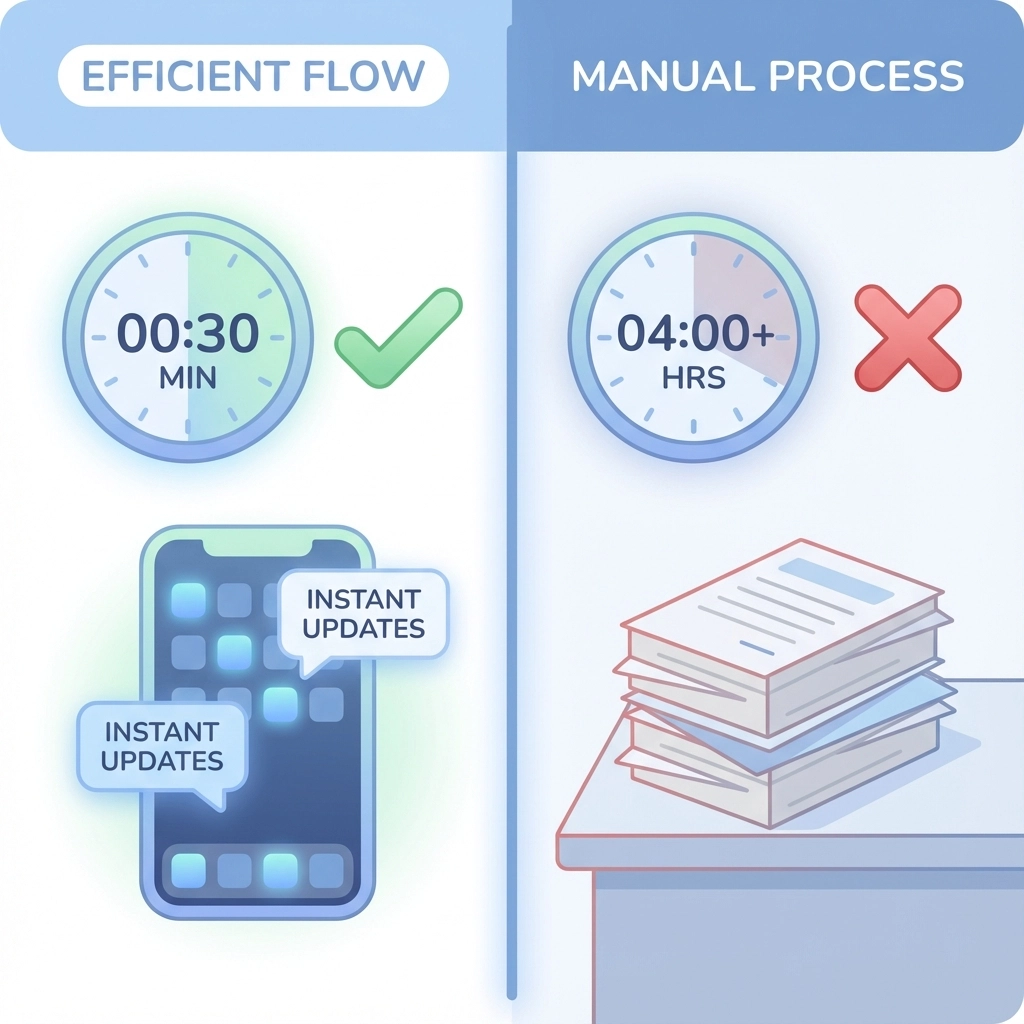
The Problem: Most facilities take 2-4 hours (or longer) to provide initial responses to referrals. In today's competitive market, case managers and discharge planners move fast. If you're not in their inbox within 30 minutes, you're often not in consideration at all.
How AI Fixes It: AI referral management systems can analyze incoming referrals and provide initial responses within 5-10 minutes. The system automatically evaluates bed availability, insurance verification, and clinical appropriateness, then sends a preliminary response to keep your facility in the running while human staff conduct deeper reviews.
This speed advantage alone can increase your referral conversion rate by 40-60% because you're demonstrating responsiveness when it matters most.
Mistake #2: Manual Processing Creates Inconsistent Delays
The Problem: When admissions coordinators manually process each referral, response times vary wildly based on workload, time of day, and staff availability. A referral that arrives during lunch might sit for hours, while one arriving first thing Monday gets immediate attention.
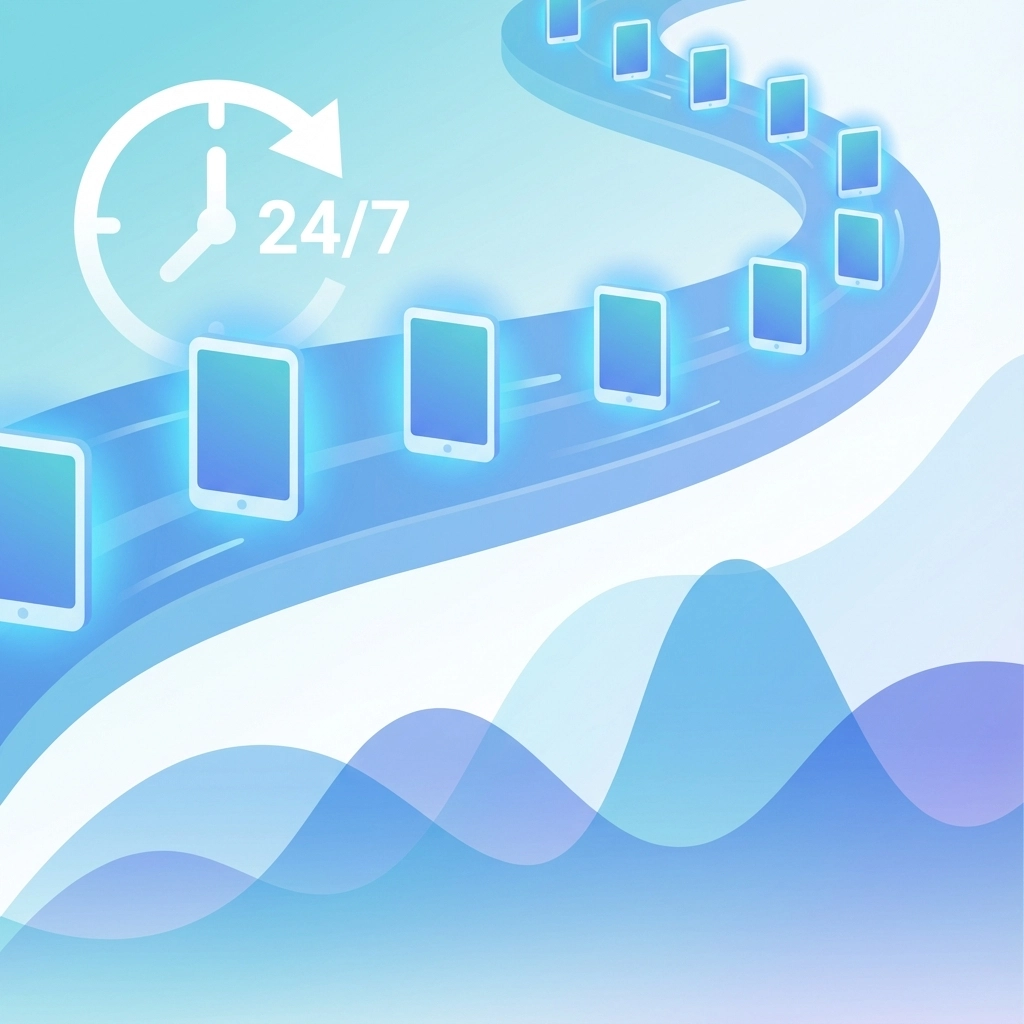
How AI Fixes It: AI doesn't take lunch breaks, coffee breaks, or sick days. Automated systems process referrals 24/7 with consistent speed and accuracy. Whether a referral arrives at 7 AM on Monday or 11 PM on Friday, the response time remains consistent.
Smart facilities use AI to level the playing field, ensuring every referral gets the same rapid attention regardless of timing or staffing constraints.
Mistake #3: No Prioritization Between Urgent and Routine Referrals
The Problem: Most facilities process referrals in the order they arrive, treating a routine transfer the same as an urgent discharge from an acute care hospital. This approach misses critical opportunities and can damage relationships with key referral sources.
How AI Fixes It: AI systems can instantly categorize referrals by urgency, acuity level, and strategic importance. High-priority referrals (emergency discharges, preferred partners, complex cases) get immediate attention, while routine transfers follow standard processing timelines.
The system can even automatically escalate urgent referrals to senior staff or on-call personnel, ensuring critical opportunities never fall through the cracks.
Mistake #4: Poor Communication During the Review Process
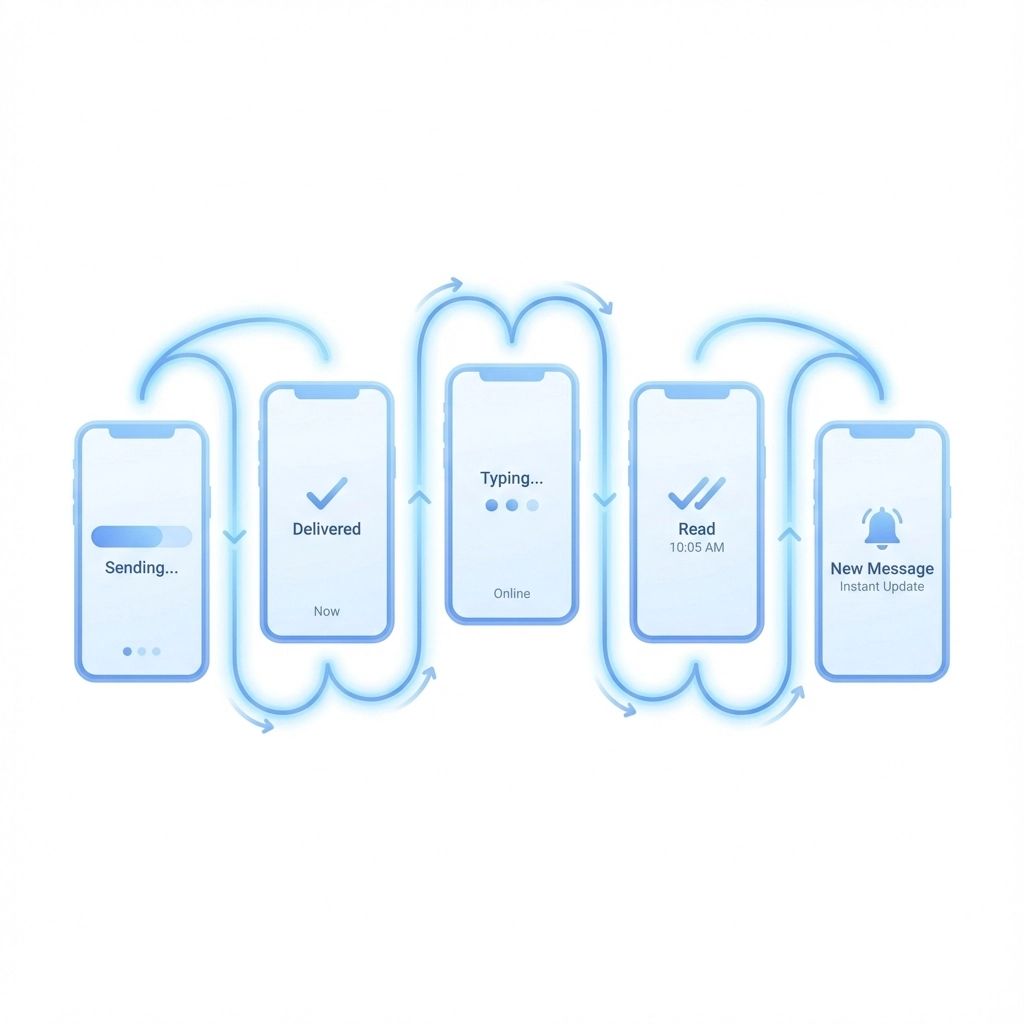
The Problem: After sending an initial response, many facilities go dark. Referral sources don't know if their patient is being reviewed, what additional information is needed, or when to expect a final decision. This communication vacuum creates anxiety and prompts case managers to look elsewhere.
How AI Fixes It: AI-powered systems provide real-time updates throughout the referral process. Case managers receive automatic notifications when referrals are received, being reviewed, pending additional information, or approved/declined.
These systems can also proactively communicate next steps and expected timelines, keeping referral sources informed and engaged throughout the process.
Mistake #5: No Real-Time Visibility Into Response Performance
The Problem: Most admissions teams have no idea how their response times compare to competitors or even their own historical performance. Without data, you can't identify problems or measure improvement efforts.
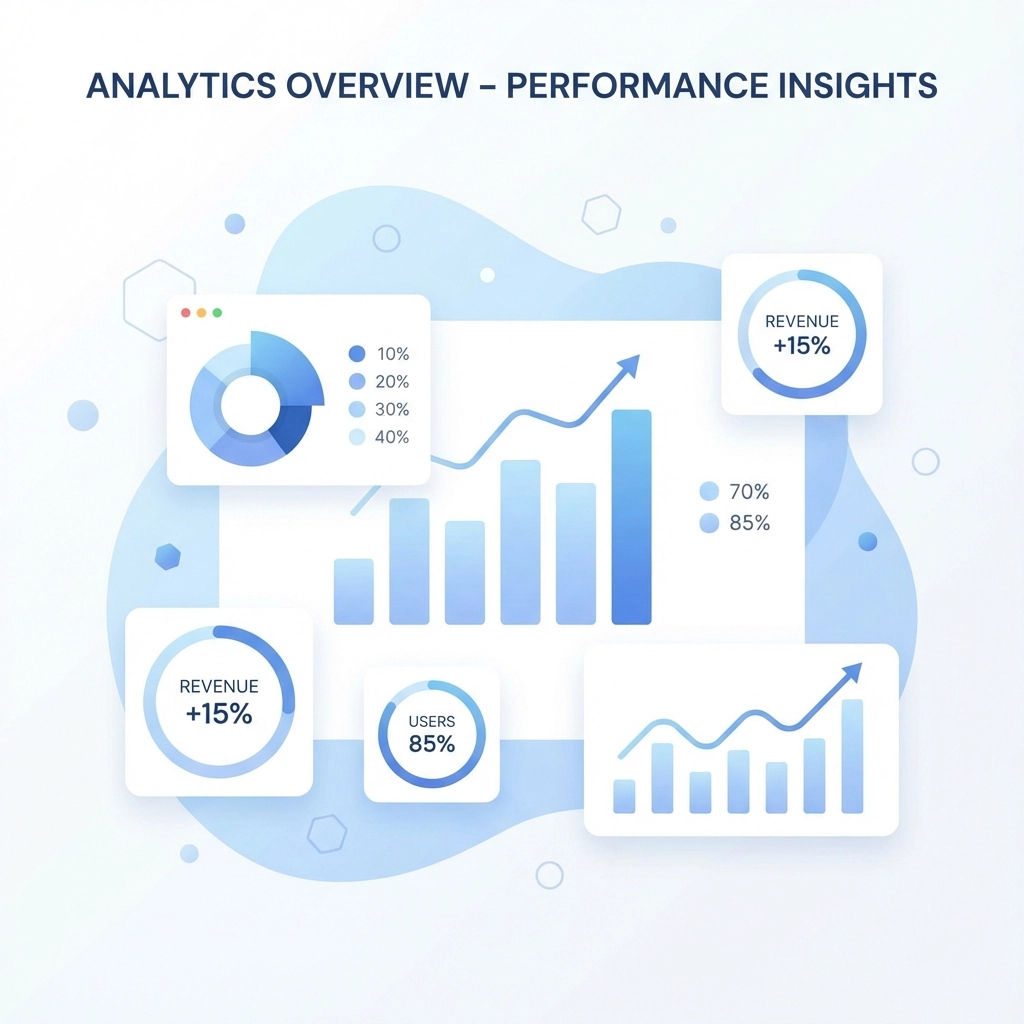
How AI Fixes It: AI referral platforms provide detailed analytics on response times, including average response speed, peak delay periods, and performance comparisons across staff members and referral sources.
These insights help identify bottlenecks, optimize staffing patterns, and demonstrate ROI from process improvements. You can see exactly how faster response times translate to higher admission rates and revenue growth.
Mistake #6: Inefficient Follow-Up on Pending Referrals
The Problem: When referrals require additional information or clinical review, they often get lost in the shuffle. Staff forget to follow up, referral sources move on to other options, and potential admissions slip away.
How AI Fixes It: AI systems automatically track pending referrals and trigger follow-up actions based on predefined timelines. If additional documentation is needed, the system sends automatic reminders to referral sources. If internal reviews are delayed, it alerts admissions staff.
This automated follow-up ensures no referral falls through the cracks and maintains positive relationships with referral sources even when cases require extended review periods.
Mistake #7: One-Size-Fits-All Response Strategy
The Problem: Many facilities use the same response approach for all referral sources, whether it's a major hospital system that sends 50 referrals per month or a small physician practice that sends one occasionally. This approach misses opportunities to strengthen key relationships and optimize response strategies.
How AI Fixes It: AI systems can customize response strategies based on referral source importance, historical patterns, and relationship strength. High-volume partners might receive immediate phone calls in addition to automated responses, while smaller sources get efficient but personalized communication.
The system learns from successful patterns and continuously optimizes response strategies to maximize conversion rates with each referral source type.
The Competitive Advantage of Speed
Facilities implementing AI-powered referral response systems report dramatic improvements in key metrics:
- Response times drop from hours to minutes
- Referral conversion rates increase 40-60%
- Staff productivity improves significantly
- Referral source satisfaction scores rise
- Revenue per referral increases
The compound effect of these improvements creates a sustainable competitive advantage. Fast responders don't just win more referrals: they build stronger relationships with referral sources, leading to preferential treatment and higher-quality referrals over time.
Making the Transition
The transition to AI-powered referral response doesn't require wholesale changes to your existing process. The best systems integrate with current workflows while gradually automating routine tasks and improving response speeds.
Start by identifying your biggest response time bottlenecks. Is it initial review? Insurance verification? Clinical assessment? Different AI solutions address different pain points, so understanding your specific challenges helps prioritize implementation steps.
The key is moving fast. Every day you delay implementation is another day competitors gain ground in the response speed race. In healthcare referrals, being second-fastest is often the same as being last.
Transform Your Referral Response Today
Ready to stop losing referrals to faster competitors? AI-powered referral management can transform your response times from hours to minutes while improving accuracy and staff productivity.
See how Smart Admissions can revolutionize your referral response process and fill more beds faster. Book your personalized demo today and discover why leading SNFs are choosing AI to win the referral response race.
Tags: real-time referral response, ai referral management, fill nursing home beds faster, skilled nursing facility admissions, admissions automation healthcare, streamline referral process, post-acute care software