
Admissions teams in skilled nursing and post-acute care are expected to review, verify, and respond to referrals quickly—yet many facilities still spend up to 45 minutes per referral. At the same time, faster competitors respond in under 10 minutes and secure placements before your team finishes reviewing the packet.
The root cause is rarely effort. It’s workflow: manual steps, disconnected systems, and repetitive administrative work that slows down decision-making.
Below are five practical automation approaches that help admissions teams reduce turnaround time, respond to referral sources sooner, and improve conversion—without adding headcount.
The Hidden Cost of Manual Referral Processing
Before diving into solutions, let’s face the brutal math. If your team processes 20 referrals daily at 45 minutes each, that’s 15 hours of staff time per day. At $25/hour, you’re spending $375 daily just on referral processing: $96,750 annually.
But the real cost isn’t labor. It’s the premium referrals you lose to faster competitors. When discharge planners need a bed immediately, the facility that responds first gets the patient. Period.
Hack #1: Ditch the Fax Machine (Finally)
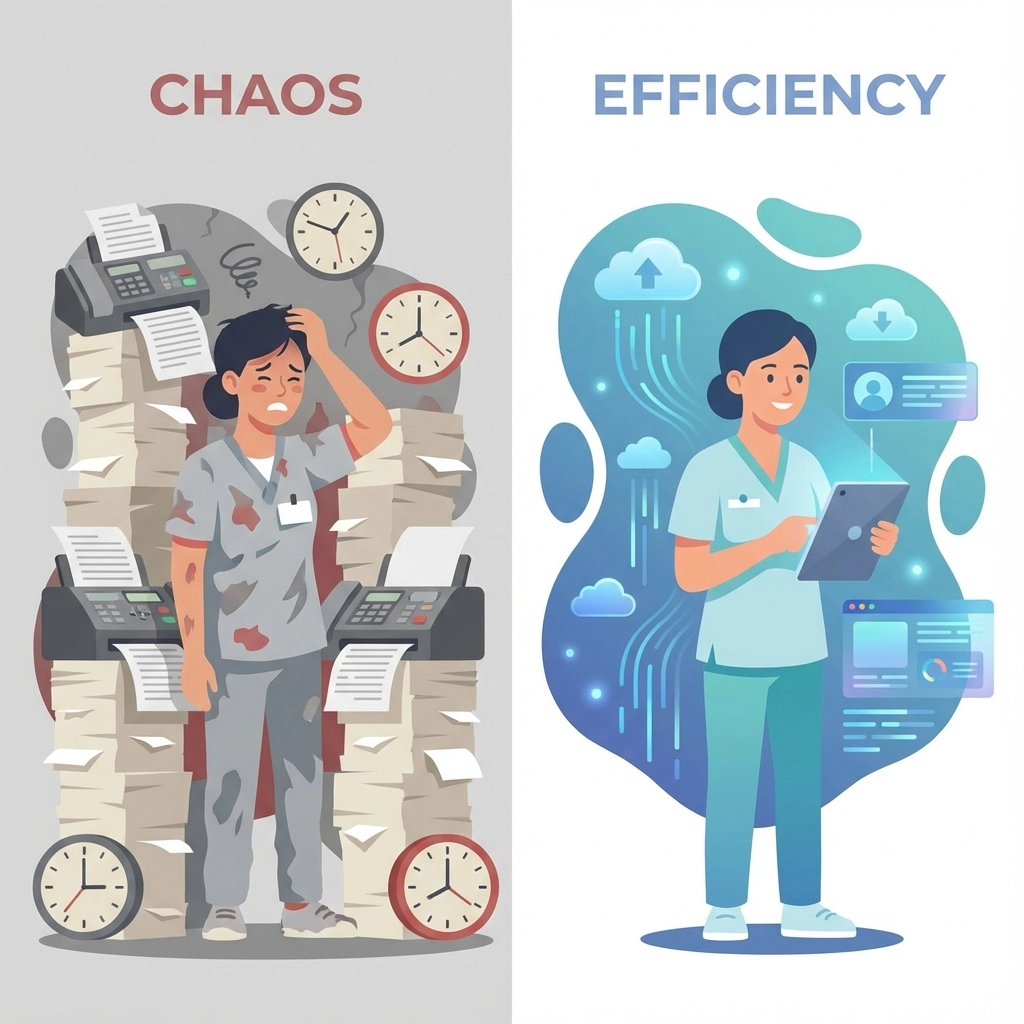
The Problem: Your team still receives referrals via fax, then manually enters data into your system while playing phone tag with hospitals.
The Solution: Electronic referral systems that eliminate the fax-to-digital conversion entirely.
Real-world impact: Ensocare’s clients reduced median response time from hours to 30 minutes by switching to click-to-send referrals with automatic responses from post-acute providers.
Implementation: Replace your fax line with a digital referral portal that integrates directly with your admissions workflow. Discharge planners send referrals with a few clicks, and your system automatically alerts your team with organized, prioritized information.
Time Saved: 15-20 minutes per referral (no more manual data entry or missed faxes)
Hack #2: Let AI Read the Referrals for You
The Problem: Your staff spends 20+ minutes per referral digging through 300-page documents to find critical information buried in physician notes, insurance cards, and medical histories.
The Solution: AI-powered natural language processing that extracts key data automatically.
Modern AI systems scan referral documents and instantly flag:
- Primary diagnosis and acuity level
- Insurance verification status
- Required services and therapies
- Discharge timeline and urgency
- Clinical red flags requiring immediate attention
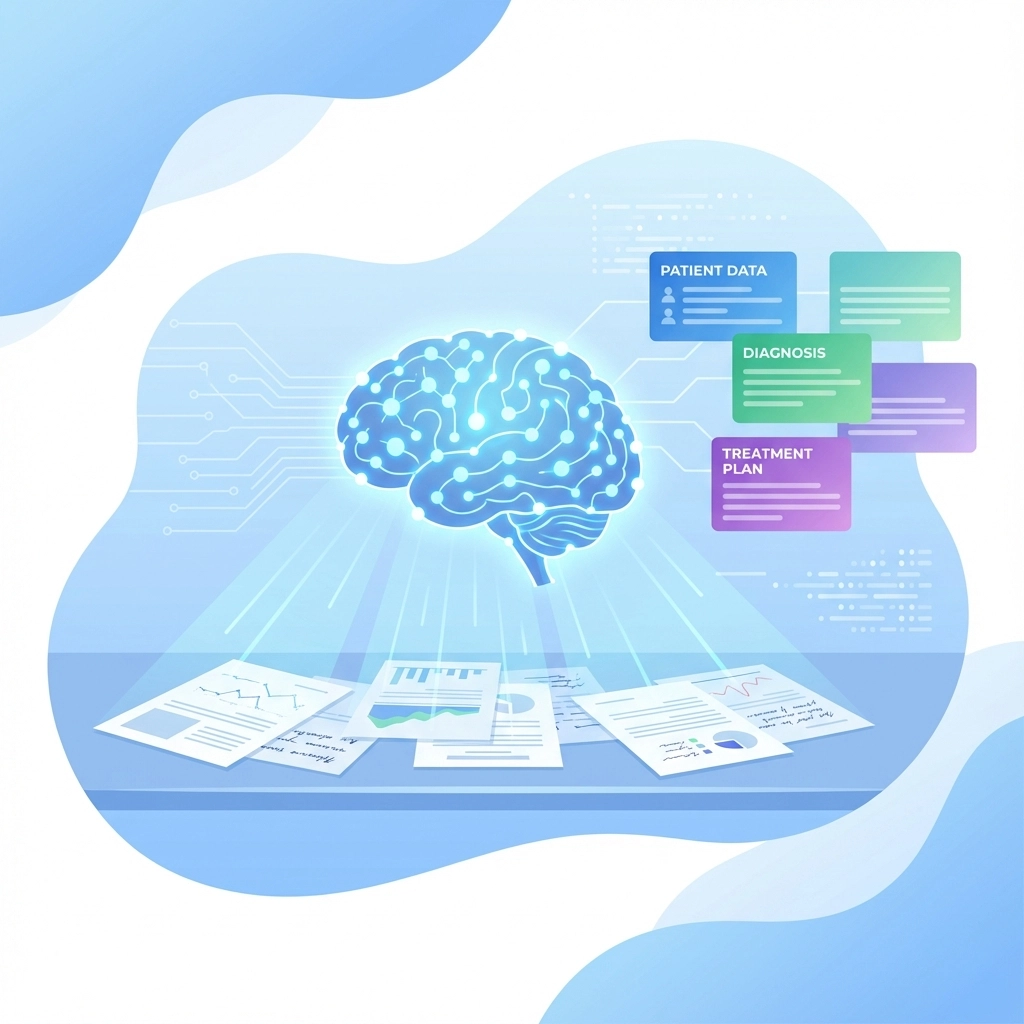
Implementation: Deploy NLP tools that automatically sort and organize referral information before your team even opens the file. The AI presents a clean summary with actionable intelligence, letting non-clinical staff make informed decisions quickly.
Time Saved: 15-25 minutes per referral (no more document hunting)
Hack #3: Automate Insurance Verification
The Problem: Your team manually calls insurance companies to verify eligibility and benefits, often getting stuck in phone queues or waiting for callbacks.
The Solution: Real-time insurance verification that happens instantly when referrals arrive.
AI-powered systems automatically:
- Extract member IDs and physician information from referrals
- Query insurance databases in real-time
- Flag coverage issues before your team invests time
- Process prior authorization requirements automatically
- Detect urgency flags even in handwritten documents
Implementation: Integrate insurance verification APIs with your referral system. When a referral arrives, verification happens automatically in the background while your team focuses on clinical assessment.
Time Saved: 5-10 minutes per referral (no more phone queues)
Hack #4: Create Real-Time Bed Visibility
The Problem: Discharge planners call multiple facilities to check bed availability, and your team spends time fielding calls for unavailable beds or services.
The Solution: Live dashboards showing your real-time capacity, available services, and transportation options.
When discharge planners can see your availability instantly, phone calls drop by 80%. Your team only receives referrals for beds you actually have, eliminating wasted effort on impossible placements.
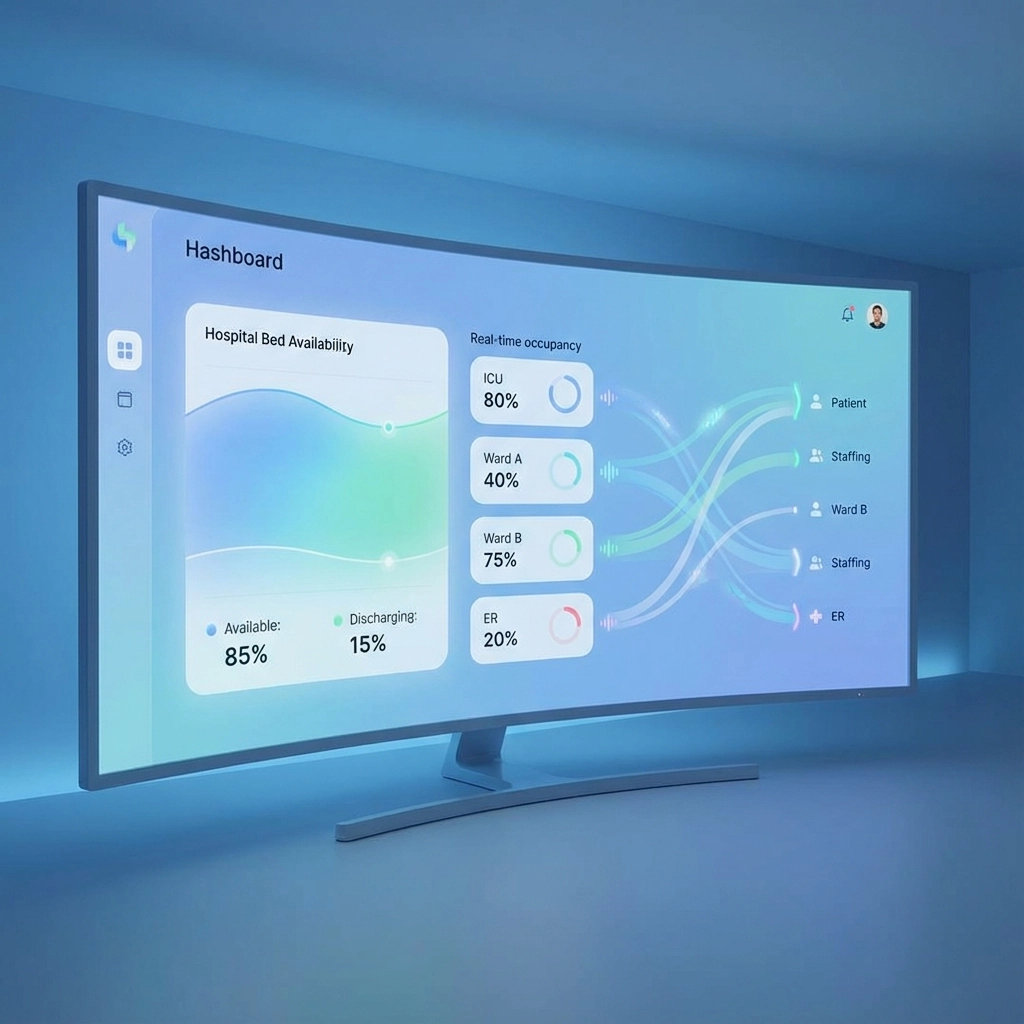
Implementation: Connect your census management system to a real-time dashboard accessible to referral sources. Include bed availability by care level, specialized services, and estimated admission timelines.
Time Saved: 5-10 minutes per referral (only qualified inquiries reach your team)
Hack #5: Integrate Everything Into One Workflow
The Problem: Your team toggles between 5+ different systems to process a single referral: EHR, census management, insurance portal, scheduling system, and communication tools.
The Solution: Unified workflow platforms that coordinate all referral activities in one place.
Instead of jumping between systems, your team works from a single dashboard that:
- Receives and organizes incoming referrals
- Displays real-time bed availability
- Processes insurance verification automatically
- Schedules admissions and transportation
- Sends confirmations to all stakeholders
Implementation: Choose a referral management platform that integrates with your existing EHR and third-party systems. Train your team on the unified workflow that eliminates system-switching delays.
Time Saved: 10-15 minutes per referral (no more system juggling)
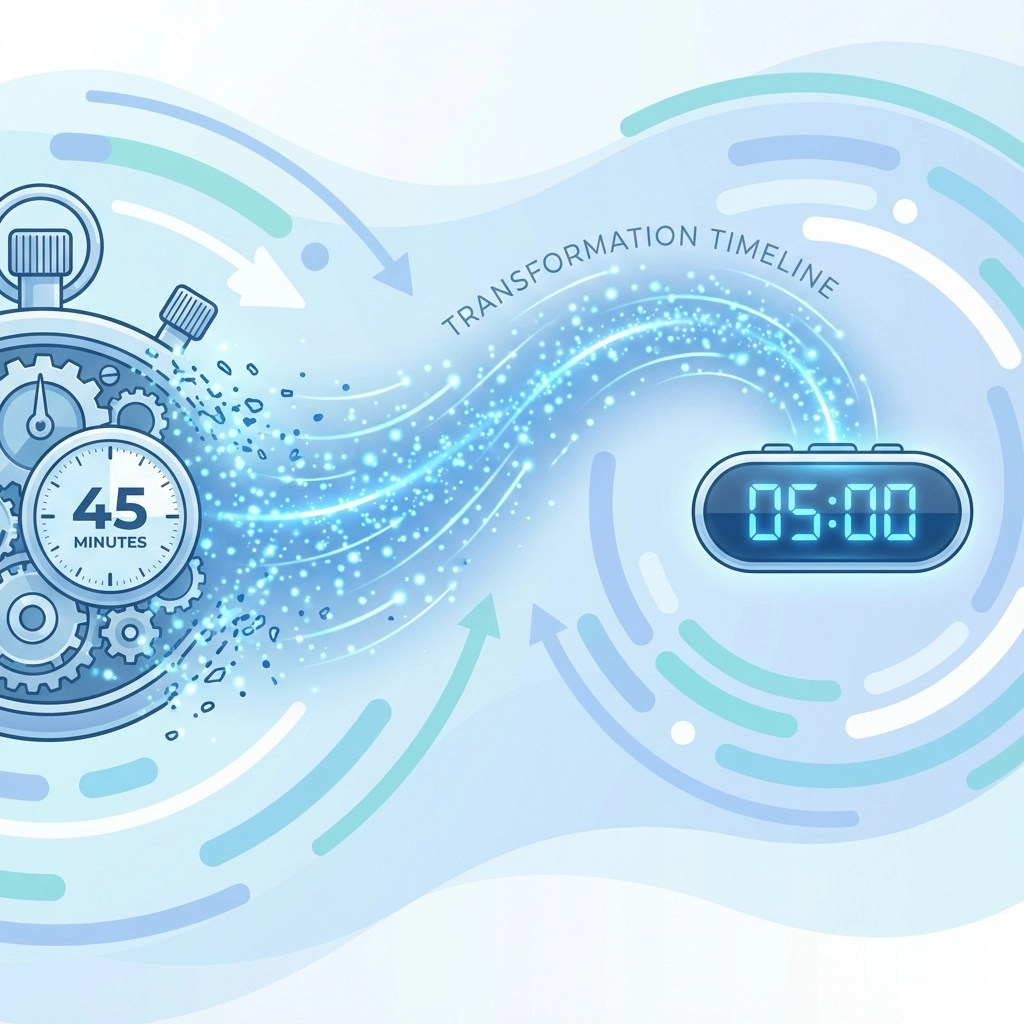
The Compound Effect: From 45 Minutes to 5
Here’s what happens when you implement all five hacks:
- Hack #1 (Electronic referrals): -20 minutes
- Hack #2 (AI data extraction): -20 minutes
- Hack #3 (Automated verification): -8 minutes
- Hack #4 (Real-time visibility): -8 minutes
- Hack #5 (Unified workflow): -12 minutes
Total time reduction: 68 minutes saved per referral
New processing time: 5 minutes or less
But speed isn’t the only benefit. Faster responses mean:
- Higher referral conversion rates (first responder advantage)
- Improved relationships with discharge planners
- Reduced staff burnout and turnover
- Better patient outcomes through quicker placements
Implementation Strategy: Start Small, Scale Fast
Don’t try to implement all five hacks simultaneously. Here’s the optimal rollout sequence:
Week 1-2: Hack #2 (AI data extraction) – Delivers immediate time savings with minimal workflow disruption
Week 3-4: Hack #3 (Insurance verification) – Builds on the data extraction foundation
Week 5-6: Hack #1 (Electronic referrals) – Requires referral source coordination
Week 7-8: Hack #4 (Real-time visibility) – Maximizes the electronic referral investment
Week 9-10: Hack #5 (Unified workflow) – Ties everything together for maximum efficiency
Measuring Success: Key Metrics to Track
Monitor these metrics to quantify your automation ROI:
- Average referral processing time (target: under 10 minutes)
- Referral response time (target: under 30 minutes)
- Conversion rate (referrals to admissions)
- Staff overtime hours (should decrease significantly)
- Referral volume from repeat sources (indicates improved relationships)
Most facilities see ROI within 90 days through reduced labor costs and increased admissions.
Ready to Reduce Referral Turnaround Time?
If your team is still spending 30–45 minutes per referral, the fastest improvement typically comes from removing repetitive steps: summarization, insurance checks, red-flag identification, and follow-up communication.
To see what this looks like in practice, schedule a short demo or working session with Smart Admissions. We’ll walk through how the platform automates referral review, eligibility checks, and clinical prioritization so your team can respond faster and win more competitive referrals.