
Let's talk about something that doesn't get enough attention in the Veterans SNF world: your relationship with VA discharge planners.
These folks are busy. Like, really busy. They're juggling dozens of cases, navigating complex eligibility requirements, and trying to find the right placement for veterans who need skilled nursing care, fast.
So here's the million-dollar question: When a VA discharge planner has a veteran ready for placement, who do they call first?
If you want it to be your facility, speed is your secret weapon. And nothing says "we've got this handled" quite like instant DD214 verification and eligibility checks.
The Reality of VA Discharge Planning
Picture this: A VA discharge planner has a 78-year-old Army veteran who needs SNF placement by end of day. The veteran's daughter is anxious. The hospital bed is needed. And the clock is ticking.
The discharge planner starts making calls. They reach out to three facilities that accept VA patients.
Facility A says they'll need to verify eligibility and will get back to them in 24-48 hours.
Facility B asks for the DD214 to be faxed over (yes, faxed) and mentions their admissions coordinator is out until tomorrow.
Facility C: that's you, hopefully: pulls up the referral, runs an instant eligibility check, confirms VA benefits within minutes, and says, "We can take him. Let's talk about his care needs."
Who do you think gets the admission?

Why Speed Creates Preferred Partner Status
Here's what happens when you consistently respond faster than your competitors: you become the default.
Discharge planners are human. They develop habits. They remember which facilities make their jobs easier and which ones create headaches. When you're the facility that always has answers quickly, you move from "one of our options" to "our first call."
This isn't just about one admission. It's about building a referral pipeline that keeps your census healthy month after month.
The Trust Factor
Speed signals something deeper than just efficiency. When you can verify a veteran's eligibility in seconds rather than days, you're telling the discharge planner:
- "We understand VA requirements." You're not fumbling through paperwork or asking them to explain benefits for the hundredth time.
- "We have our systems together." If your admissions process is this smooth, imagine how organized your care delivery must be.
- "We value your time." You respect that they have dozens of other cases to manage.
That trust compounds over time. And trust leads to referrals.
The Old Way vs. The New Way
Let's be honest about how DD214 verification has traditionally worked at most Veterans SNF facilities.
The Old Way
- Receive referral with veteran's basic information
- Request DD214 from family, VA, or veteran's records
- Wait 24-72 hours (sometimes longer) for document
- Manually review DD214 for service dates, discharge status, and character of service
- Cross-reference with VA benefits eligibility
- Make multiple phone calls to clarify discrepancies
- Finally confirm eligibility: hopefully before the veteran gets placed elsewhere
Sound familiar? This process is exhausting, error-prone, and slow. And every hour that passes is an hour where that veteran might end up at a competitor's facility.
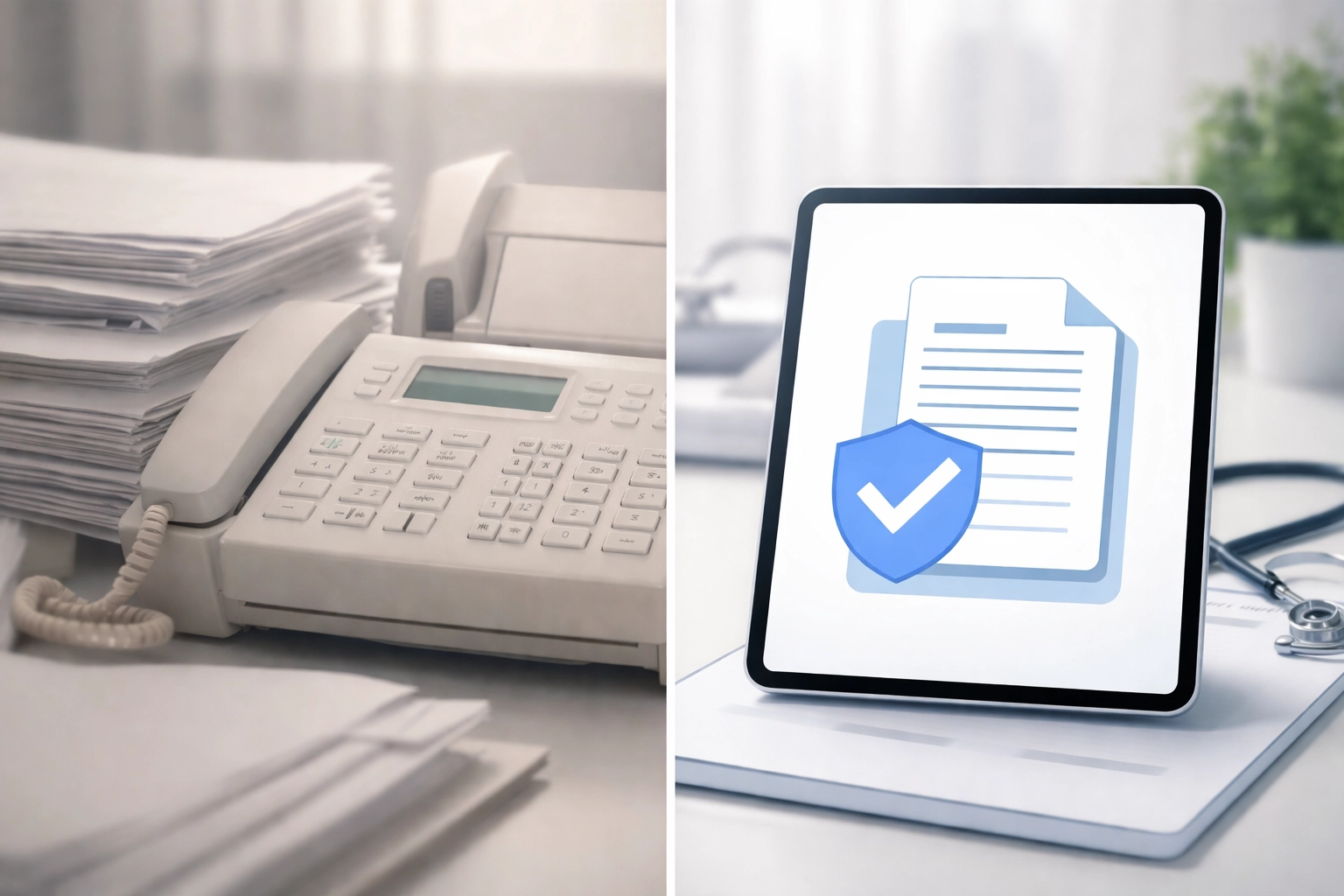
The New Way
Modern Veterans SNF software has completely transformed this process:
- Receive referral
- Input basic veteran information
- System automatically verifies DD214 data and eligibility status
- Get confirmation in minutes, not days
- Move directly to clinical evaluation and family communication
That's it. No fax machines. No phone tag. No "we'll get back to you."
What Discharge Planners Actually Want
We've talked to a lot of discharge planners over the years, and their wish list is pretty consistent:
Fast responses. They don't expect instant miracles, but same-day answers are huge.
Clear communication. Don't make them chase you for updates. Be proactive.
Expertise with VA benefits. They want to work with facilities that understand the nuances of VA coverage without needing hand-holding.
Reliable follow-through. If you say you can take a patient, actually take them. Nothing damages a relationship faster than last-minute rejections.
Instant eligibility verification addresses the first three items directly. When you can confirm a veteran's benefits status within minutes of receiving a referral, you're demonstrating expertise, enabling fast responses, and providing clear answers.
Building Your VA Referral Network
So how do you actually turn faster eligibility checks into more referrals? Here's a practical game plan:
1. Invest in the Right Technology
This is foundational. If you're still doing manual DD214 verification, you're operating with one hand tied behind your back. Modern Veterans SNF software automates the heavy lifting and dramatically reduces verification time.
The ROI isn't just in time savings: it's in every admission you capture that would have gone elsewhere.
2. Create a Dedicated VA Admissions Process
Don't treat VA referrals the same as your standard admissions workflow. Veterans have unique eligibility requirements, and the discharge planners sending you referrals expect you to understand them.
Consider designating a team member as your VA admissions specialist. Give them the tools and authority to move quickly when referrals come in.

3. Build Relationships Before You Need Them
Don't wait until you're trying to fill beds to connect with VA discharge planners. Reach out proactively. Introduce your facility. Explain your capabilities with veteran care.
And here's a pro tip: when you do have a smooth admission experience with a VA referral, follow up with the discharge planner afterward. Let them know the veteran is settling in well. That kind of communication turns one-time transactions into ongoing partnerships.
4. Track and Improve Your Response Times
What gets measured gets managed. Start tracking how quickly you respond to VA referrals versus other referral sources. Set goals for improvement.
When you can tell a discharge planner, "Our average eligibility verification time is under 10 minutes," you're giving them a concrete reason to call you first.
The Competitive Advantage Nobody's Talking About
Here's the thing: most Veterans SNF facilities are still doing things the old way. They're still faxing documents, making phone calls, and taking days to confirm what could be confirmed in minutes.
That's your opportunity.
When you implement instant eligibility verification, you're not just improving your own operations: you're leapfrogging competitors who haven't caught up yet. You're positioning your facility as the modern, efficient, veteran-focused option in your market.
And in a world where discharge planners are making quick decisions under pressure, being the easy choice matters more than ever.
Real Results from Real Facilities
Facilities that have implemented automated DD214 verification and eligibility checking report:
- 50-70% reduction in administrative time spent on VA admissions
- Higher acceptance rates from VA referrals (because they're responding before competitors)
- Stronger relationships with discharge planners who appreciate the streamlined process
- Fewer eligibility surprises that lead to claim denials or payment issues
These aren't theoretical benefits. They're what happens when you give your admissions team the right tools.

Ready to Become the Preferred Facility?
Building stronger VA referral relationships isn't complicated, but it does require intention. It requires investing in technology that enables speed. It requires training your team on VA-specific requirements. And it requires showing up consistently as a reliable partner for discharge planners.
The good news? You don't have to figure this out alone.
Heading to the NASVH Conference? Stop by Booth #6 and let's chat about how instant eligibility verification can transform your VA referral relationships.
Can't make it to the conference? Check out our deep dive on how Veterans SNF facilities can verify DD214 eligibility in seconds, not minutes.
The discharge planners in your area are making calls right now. Make sure your facility is the one they want to call first.