
Veteran Referral Management. Every SNF admissions coordinator knows the frustration. A veteran referral lands on your desk, and suddenly you’re knee-deep in paperwork, squinting at faded DD214 forms, and watching precious time slip away.
The good news? You can streamline referral process workflows and cut verification time by 50-70%. All it takes is the right approach and modern technology working together.
In this guide, we’ll walk through 5 actionable steps to transform how your facility handles veteran referrals. Whether you’re an admissions coordinator juggling multiple cases or a VP looking to boost occupancy rates, these strategies will help you fill beds 10X faster.
Why Veteran Referral Management Needs an Overhaul
Before diving into the steps, let’s address the elephant in the room. Traditional DD214 verification is painfully slow.
The VA’s Referral Coordination Teams have been working to modernize their processes. But on the receiving end, SNFs are still stuck with manual verification methods that eat up 15-30 minutes per form.
That’s time your team could spend on patient care or responding to new referrals. When you streamline referral process workflows, you’re not just saving time. You’re gaining a competitive edge in a market where speed determines who fills beds first.
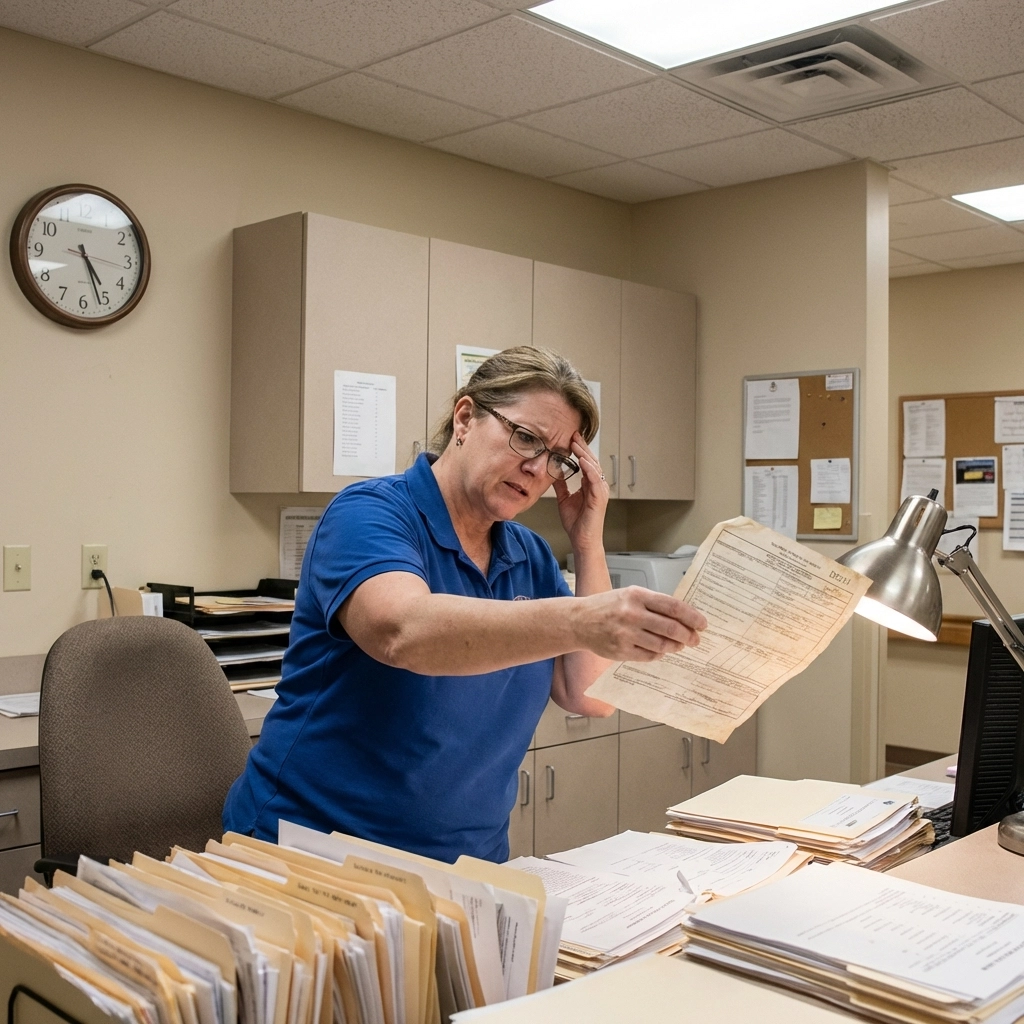
Step 1: Audit Your Current DD214 Verification Workflow
You can’t fix what you don’t measure. Start by mapping out exactly how your team currently handles veteran referrals.
Ask yourself these questions:
- How long does DD214 verification take on average?
- Where do bottlenecks typically occur?
- How many referrals are lost due to slow response times?
- What percentage of verifications result in eligibility errors?
Most facilities discover they’re spending 45+ minutes per referral when you factor in document retrieval, manual data entry, and cross-referencing eligibility requirements. That’s a massive drain on productivity.
Document every step. Time each phase. Identify the pain points that slow your team down the most. This baseline data becomes crucial when measuring improvements later.
Step 2: Implement Real-Time DD214 Eligibility Verification Technology
Here’s where the magic happens. Modern AI-powered tools can verify DD214 eligibility in seconds, not minutes.
Smart Admissions technology recognizes over 45 different DD214 formats dating back to 1945. Faded text? Older layouts? Different service codes? The system handles them all automatically.
When you streamline referral process steps with automation, you eliminate:
- Manual data entry errors
- Time spent deciphering unclear documents
- Back-and-forth communication to clarify eligibility
- Compliance risks from missed information
The result? Instant eligibility verification that lets your team respond to referral sources faster than competitors. Check out how real-time insurance verification saves SNFs 50-70% on administrative time to see the numbers in action.

Step 3: Train Your Admissions Team on New Workflows
Technology alone won’t transform your operations. Your team needs to understand and embrace the new streamlined referral process.
Create a comprehensive training program that covers:
Technical Skills
- How to upload and process DD214 documents
- Interpreting automated eligibility results
- Handling edge cases and exceptions
Process Changes
- New response time expectations
- Updated communication protocols with referral sources
- Documentation requirements for compliance
Mindset Shifts
- Moving from verification tasks to patient relationship building
- Using saved time for higher-value activities
- Embracing continuous improvement
The best training programs include hands-on practice with real scenarios. Let your team process sample DD214s through the new system before going live. This builds confidence and catches potential issues early.
Step 4: Integrate Verification with Your Existing Systems
Standalone tools create data silos. To truly streamline referral process efficiency, your DD214 verification needs to connect with everything else.
Look for integration capabilities with:
- EHR/EMR systems – Patient data flows automatically
- Billing software – Eligibility information populates correctly
- Communication platforms – Notifications reach the right people instantly
- Reporting dashboards – Track metrics without manual compilation
Smart Admissions offers seamless integration options that prevent duplicate data entry and keep information consistent across platforms. Visit our how it works page to explore integration possibilities.
When systems talk to each other, your team stops being data entry clerks. They become admissions professionals focused on filling beds and serving patients.

Step 5: Monitor, Measure, and Optimize Continuously
Implementing new technology isn’t a one-and-done project. The facilities that see the biggest gains treat optimization as an ongoing priority.
Set up regular monitoring for these key metrics:
| Metric | Target | Why It Matters |
|---|---|---|
| Verification Time | Under 5 minutes | Direct time savings |
| Referral Response Rate | Same-day | Competitive advantage |
| Eligibility Error Rate | Below 2% | Compliance protection |
| Bed Fill Speed | 10X improvement | Revenue impact |
Review these numbers weekly at first, then monthly once you’ve stabilized. Look for patterns that suggest further improvements.
Maybe certain DD214 formats still cause delays. Perhaps specific team members need additional training. Or your integration might have a gap that creates manual workarounds.
Every insight becomes an opportunity to further streamline referral process performance.
Common Mistakes That Derail Veteran Referral Efficiency
Even with the right tools, some facilities struggle to see results. Avoid these pitfalls:
Partial Implementation
Rolling out new technology to only part of your team creates inconsistency. Go all-in or wait until you can.
Ignoring Change Management
Staff resistance kills more projects than technical failures. Address concerns proactively and celebrate early wins.
Skipping the Audit Phase
Without baseline data, you can’t prove ROI. Leadership support depends on demonstrable results.
Forgetting About Compliance
Speed means nothing if you’re making eligibility errors. Learn about the 7 DD214 verification mistakes that cost veterans SNF facilities thousands before they happen to you.
The Competitive Reality of Modern SNF Admissions
Here’s the truth that keeps VP-level leaders up at night. Your competitors are already modernizing their admissions processes.
Facilities that streamline referral process workflows respond to referrals faster. They make fewer errors. They build stronger relationships with hospital discharge planners who control referral flow.
Every day you wait is a day your competition pulls further ahead. The SNFs winning the referral game aren’t necessarily bigger or better staffed. They’re simply faster and more efficient.

Taking Action: Your Next Steps
You’ve now got a clear roadmap to transform veteran referral management at your facility. The question is whether you’ll act on it.
Start with Step 1 today. Time your team’s next DD214 verification from start to finish. Write down every obstacle they encounter. That simple exercise will reveal exactly how much room for improvement exists.
Then explore how Smart Admissions can help you execute Steps 2-5 with proven technology and expert support. Book a demo to see real-time DD214 eligibility verification in action.
The veterans you serve deserve efficient, accurate admissions processes. Your team deserves tools that make their jobs easier. And your facility deserves the competitive advantage that comes when you streamline referral process workflows from end to end.