
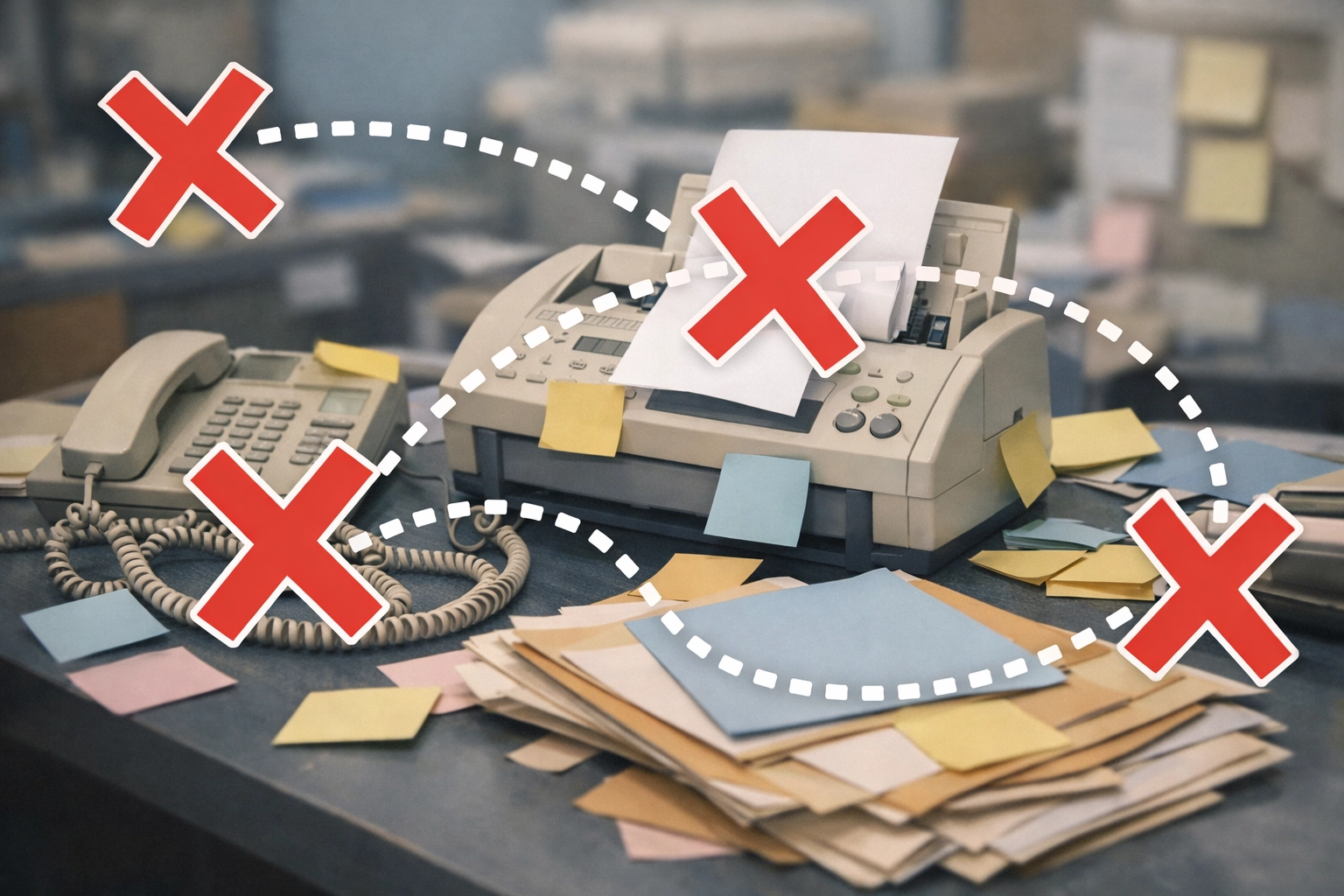
Picture this: It's 2:47 PM on a Friday. Your admissions coordinator is squinting at a barely legible fax, trying to decipher whether a veteran's discharge paperwork qualifies them for VA benefits. The referring hospital needs an answer by end of day. The fax machine jams. Again.
Sound familiar?
For too many skilled nursing facilities, this scenario plays out daily. The veteran referral workflow at most SNFs hasn't fundamentally changed in decades: even as technology has revolutionized nearly every other aspect of healthcare operations. But here's the thing: the facilities that are winning the referral game have completely reimagined how veteran admissions work.
Let's break down what a modern veteran referral workflow actually looks like: and why clinging to fax machines is costing you beds, revenue, and sanity.
The Old Way: A Workflow Built on Hope and Patience
Before we dive into the solution, let's be honest about the problem. The traditional veteran referral workflow typically looks something like this:
- Referral arrives (via fax, email, or phone call: sometimes all three for the same patient)
- Manual data entry into your EHR or tracking spreadsheet
- Document chase for DD214, insurance cards, and clinical records
- Eligibility verification through phone calls to the VA or insurance carriers
- Clinical review to determine if you can meet the patient's needs
- Bed availability check and room assignment
- Acceptance communication back to the referral source
Each step introduces delays, errors, and opportunities for the referral to slip through the cracks. A single veteran admission can eat up 45 minutes to two hours of staff time: and that's when everything goes smoothly.
The real killer? DD214 verification alone can derail the entire process. With over 70 years of format variations, faded documents, and cryptic military service codes, manually verifying a veteran's discharge status is a compliance nightmare waiting to happen.
The Modern Framework: Referral Coordination Teams Meet Smart Technology
The Veterans Health Administration has already figured out that the old way doesn't work. Their Referral Coordination Initiative (RCI) introduced dedicated teams to handle referrals systematically rather than letting them bounce between departments. The result? A target turnaround of just three days from referral to scheduled admission.
But here's what the VA learned that applies directly to your SNF: coordination without automation is just organized chaos.
Modern veteran referral workflows combine the human touch of dedicated admissions staff with technology that eliminates the grunt work. Here's what that actually looks like in practice.
Stage 1: Digital Referral Intake
Gone are the days of deciphering handwritten fax cover sheets. Modern workflows start with centralized digital intake: a single point of entry for all referrals regardless of source.
When a hospital case manager sends a referral, it lands in a unified dashboard rather than someone's email inbox or the fax tray. Patient demographics, clinical information, and attached documents are automatically parsed and organized. No more hunting through paper stacks to find that missing insurance card.
The best systems also provide instant acknowledgment to referral sources. That hospital case manager knows immediately that you received the referral and it's being processed: building the trust that leads to more referrals down the road.
Stage 2: Automated Eligibility Verification
This is where traditional workflows completely fall apart: and where automation delivers the biggest ROI.
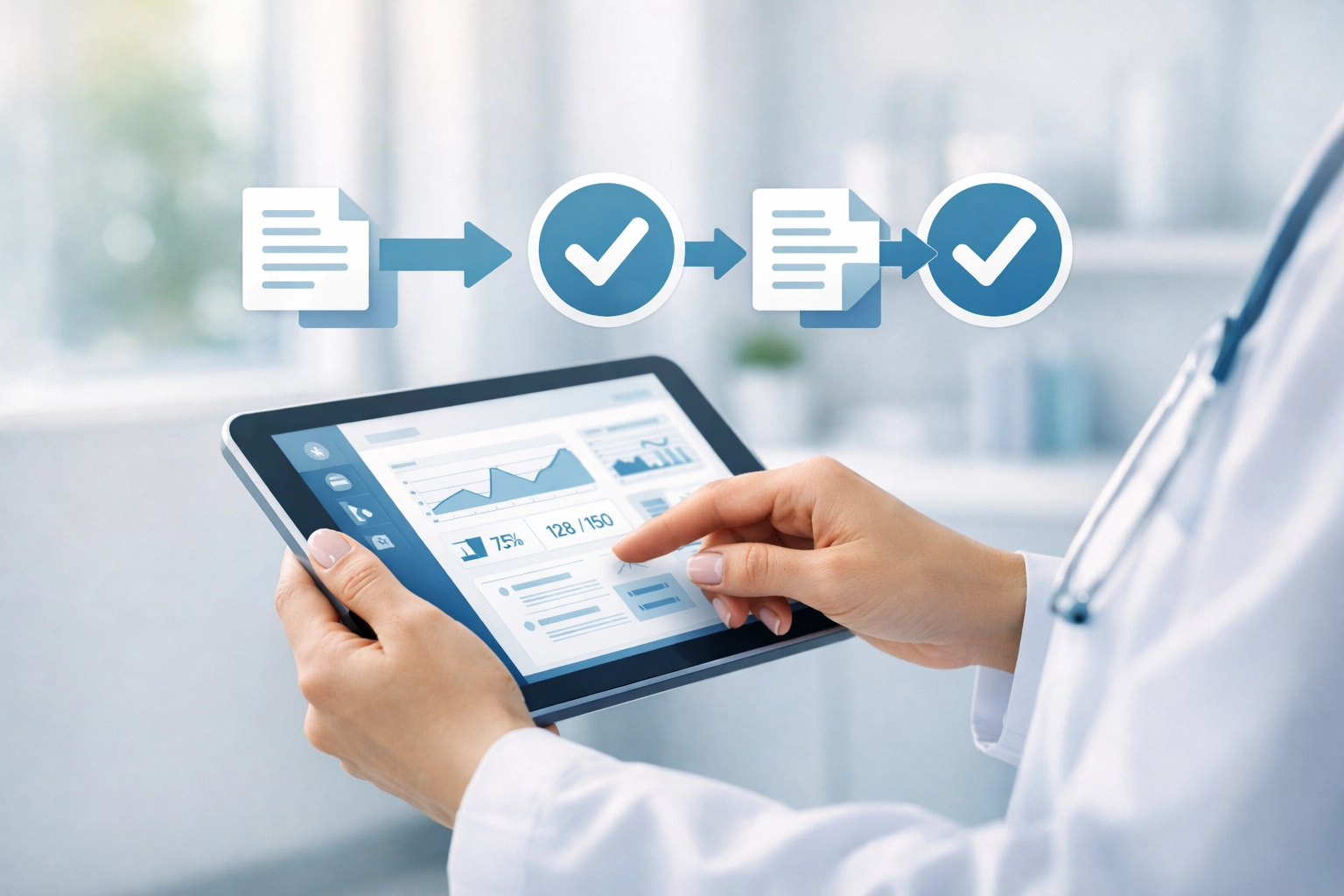
Real-time insurance verification eliminates those endless phone trees and hold music. Within seconds, the system confirms coverage, checks authorization requirements, and flags any issues that need human attention.
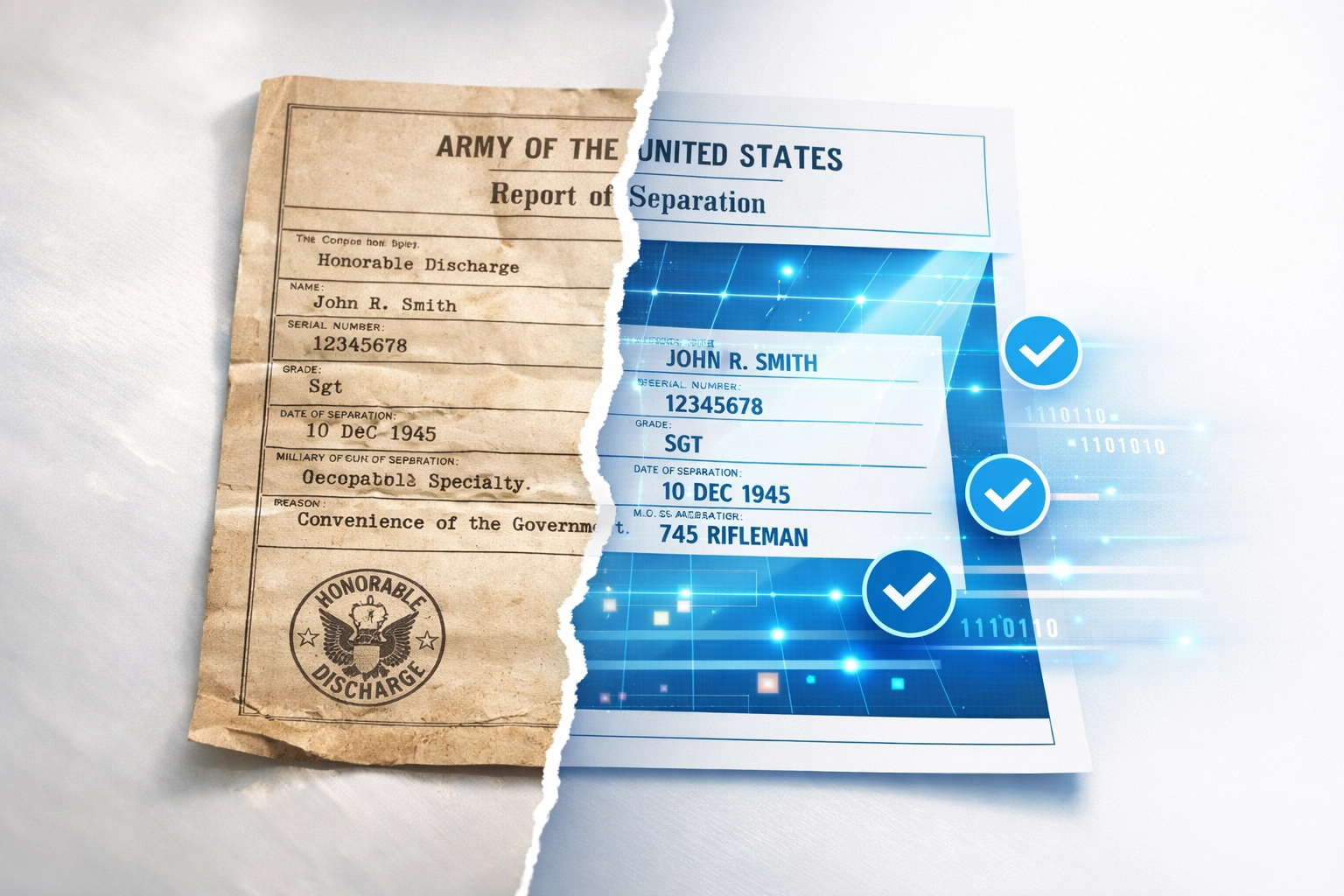
For veteran referrals specifically, DD214 verification becomes a 30-second task instead of a 30-minute headache. AI-powered document recognition can read discharge papers from any era: including those typewritten forms from the 1950s that make your staff's eyes cross. The system automatically extracts service dates, discharge status, and character of service, then cross-references against VA eligibility requirements.
No more squinting at faded documents. No more second-guessing whether that discharge code means what you think it means. Learn more about how DD214 format variations have made manual verification nearly impossible.
Stage 3: Clinical Review and Bed Matching
With eligibility confirmed, the workflow moves to clinical review. Modern systems present all relevant clinical information in a standardized format: diagnoses, medications, therapy needs, skilled nursing requirements: so your clinical team can make fast, informed decisions.
Bed referral automation takes this a step further by matching patient needs with available beds in real-time. Instead of your admissions coordinator calling the nursing station to ask what's available, the system already knows which rooms can accommodate the patient's clinical requirements, equipment needs, and payer mix considerations.
Stage 4: Acceptance and Communication
Here's where you either win or lose the referral. Hospital case managers are under enormous pressure to place patients quickly. The facility that responds first with a clear "yes" typically gets the admission.
Automated workflows enable same-day acceptance decisions for straightforward cases. The system generates acceptance documentation, communicates directly with the referral source, and triggers downstream processes like transportation coordination and admission paperwork preparation.
For the referring provider, this seamless communication builds confidence. They know exactly where the patient stands without making follow-up calls. For your facility, it means fewer missed opportunities and stronger referral relationships.
The DD214 Factor: Why Document Automation Matters Most for Veteran Admissions
Let's zoom in on the piece that makes veteran referrals uniquely challenging: discharge document verification.
The DD214 has existed since 1950, but it hasn't stayed the same. Format changes, paper degradation, and the sheer variety of service codes create a verification puzzle that trips up even experienced admissions staff. One wrong interpretation can mean:
- Denied claims when you admit a veteran who doesn't actually qualify for VA benefits
- Compliance violations during audits when your documentation doesn't support the admission
- Delayed payments while you chase down correct information after the fact
Modern OCR (optical character recognition) technology specifically trained on military documents can read what humans can't. Faded text, unusual fonts, handwritten annotations: AI handles all of it. More importantly, it creates an auditable verification record that protects your facility during VA reviews.
The Results: What Modern Workflows Actually Deliver
Facilities that have made the switch from fax-and-phone to automated workflows report dramatic improvements:
- 50-70% reduction in administrative time per admission
- Same-day referral decisions instead of 24-48 hour turnarounds
- Near-zero eligibility verification errors on veteran admissions
- Stronger referral source relationships from reliable communication
The VA itself demonstrated what's possible when they reduced benefit approval processing from 82 days to just 6 days through workflow automation. Some veterans now receive decisions the same day they apply.
Your SNF can achieve similar gains. The technology exists. The question is whether you're ready to move beyond the fax machine.
Ready to Modernize Your Veteran Referral Workflow?
If you're attending NASVH this year, stop by Booth #6 to see how Smart Admissions transforms veteran intake from a manual slog into a streamlined, automated process. We'll show you exactly how our DD214 verification technology handles those tricky format variations that have been slowing down your team.
Can't make it to the conference? Book a demo to see the platform in action and learn how facilities like yours are filling beds faster while staying fully compliant.
The fax machine had its moment. That moment is over.