
If you’re an SNF admissions coordinator, you already know the drill. A veteran referral comes in, and suddenly you’re drowning in paperwork, phone calls, and eligibility questions. The reality? Efficient insurance verification healthcare processes can mean the difference between filling that bed today or watching a competitor snag the admission instead.
DD214 verification doesn’t have to be the bottleneck that slows your entire operation. With the right approach, you can transform this tedious process into a streamlined workflow that actually boosts your veteran admission rate.
Let’s dive into five actionable tips that leading SNF facilities are using right now to verify DD214 forms faster and admit more veterans.
Why DD214 Verification Is Critical for Your Insurance Verification Healthcare Workflow
The DD214 form is the golden ticket for veteran benefits eligibility. It contains everything you need: active-duty dates, discharge status, military occupational specialty (MOS), and the character of service. Without proper verification, you risk denied claims, delayed reimbursements, and frustrated families.
Here’s what’s at stake. Veterans represent a significant portion of SNF admissions, and their benefits often cover substantial care costs. But when your team spends hours manually verifying each DD214, you’re burning time that could be spent on patient care and new admissions.
The math is simple. Facilities that streamline their DD214 verification process see up to 50-70% time savings on administrative tasks. That’s not just efficiency: that’s competitive advantage.

Tip 1: Always Verify the Primary Specialty Section First
When a DD214 lands on your desk, resist the urge to scan everything at once. Start with the Primary Specialty section. This area details the veteran’s military job and the education they received to perform that role.
Why does this matter for admissions? The Primary Specialty section helps you quickly assess whether the veteran’s service history aligns with VA benefit eligibility requirements. It’s also useful for understanding any specialized medical training they might have received.
Pro tip: Cross-reference this section with the veteran’s stated service history. Discrepancies here can signal potential issues with the document’s authenticity or indicate that additional verification is needed.
Tip 2: Confirm Document Legitimacy Before Processing
Not all DD214 forms are created equal. When a veteran or their family provides the form directly, verification becomes significantly easier. However, you still need to confirm the document’s legitimacy.
Look for these key indicators:
- Official watermarks and seals
- Consistent formatting with standard DD214 templates
- Matching information across all sections
- Proper signatures and dates
If something feels off, don’t hesitate to request official documentation. The National Archives offers verification services through their eVetRecs system, typically delivering electronic records within 10 business days.
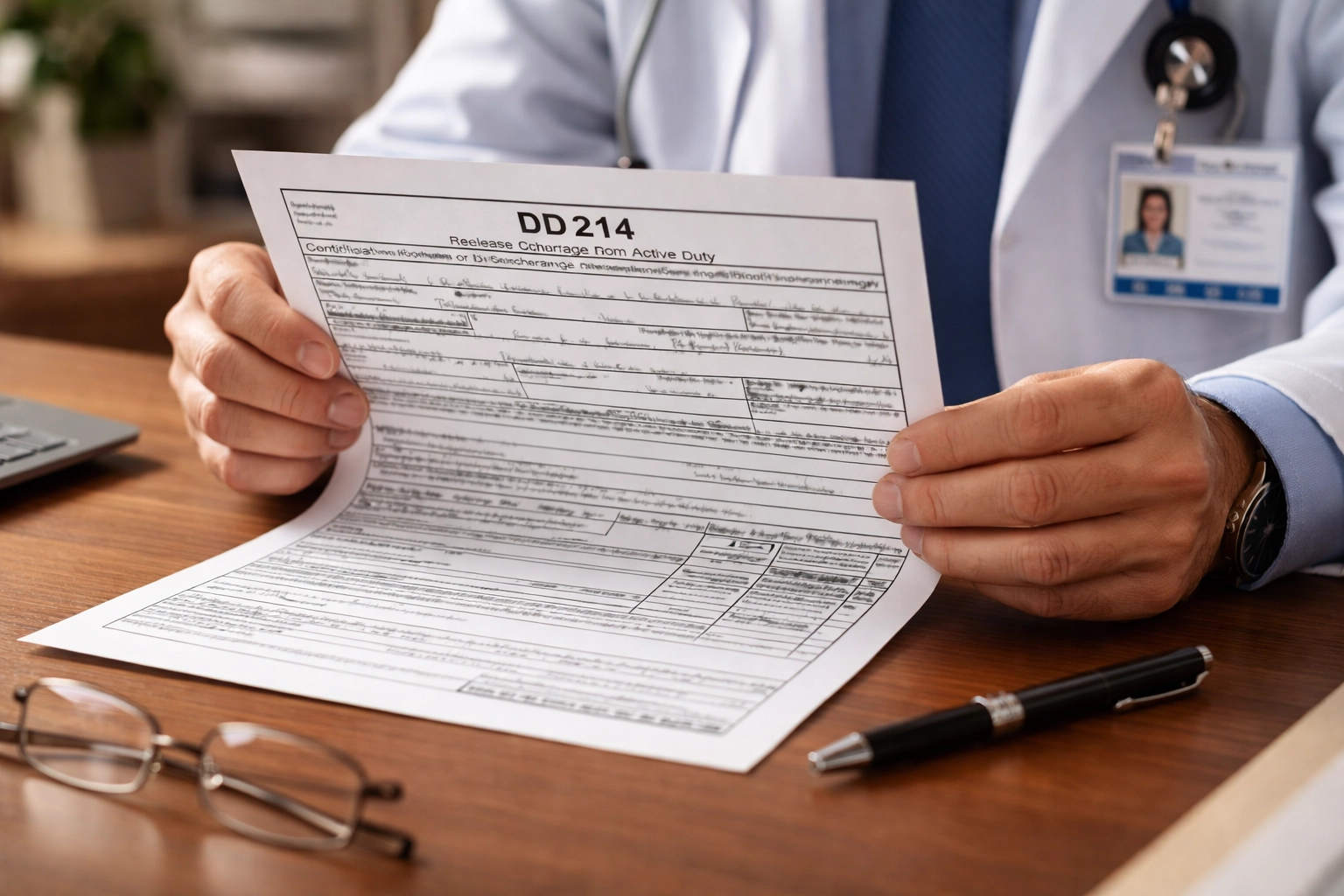
Tip 3: Check All Key Service Details Systematically
A thorough DD214 review should cover these essential elements:
Active-duty dates : Confirms the veteran’s service period and helps determine benefit eligibility windows.
Rank obtained before separation : Can impact certain benefit calculations and eligibility criteria.
Military Occupational Specialty (MOS) : Provides context for the veteran’s skills and potential exposure to service-related conditions.
Military education received : Relevant for understanding the veteran’s background and any specialized training.
Decorations and awards : May qualify veterans for additional benefits or priority status.
Character of service/type of discharge : Perhaps the most critical element, as it directly impacts VA benefit eligibility.
Creating a standardized checklist ensures your team never misses a critical detail. This systematic approach reduces errors and speeds up the overall verification process.
Tip 4: Request Official Documents Through Proper Channels When Needed
Sometimes the veteran doesn’t have their DD214 readily available. Maybe it was lost, damaged, or simply misplaced over the years. When this happens, you have options.
The U.S. Department of Veterans Affairs website and the National Archives both offer official request channels. The eVetRecs online tool is particularly useful, allowing you to request records electronically rather than dealing with paper forms.
However, here’s where many facilities lose precious time. Manual record requests can take 10 or more business days. During that window, the bed sits empty, and the veteran waits in limbo.
This is exactly why leading facilities are turning to automated verification solutions that can confirm eligibility in seconds rather than days. The difference in admission speed is remarkable.

Tip 5: Verify Accuracy Before Finalizing Any Admission Decision
Here’s a mistake that costs facilities thousands of dollars every year. They verify the DD214 exists but don’t verify that the information is accurate.
Veterans should always confirm that their DD214 details are correct, especially if the form has been amended at any point. Inaccurate information: even minor discrepancies: can result in delayed benefits, denied claims, or worse.
Before finalizing any admission decision, double-check:
- Name spelling matches all other documentation
- Service dates align with stated history
- Discharge status is clearly indicated
- All amendments are properly documented
We’ve covered common pitfalls in detail in our article on 7 DD214 verification mistakes that cost veterans SNF facilities thousands. It’s worth reviewing with your team.
How Automation Transforms Your Insurance Verification Healthcare Process
Let’s be honest. Even with these tips, manual DD214 verification is time-consuming. Your admissions coordinators are juggling multiple referrals, family calls, and clinical assessments simultaneously.
That’s where smart automation changes everything.
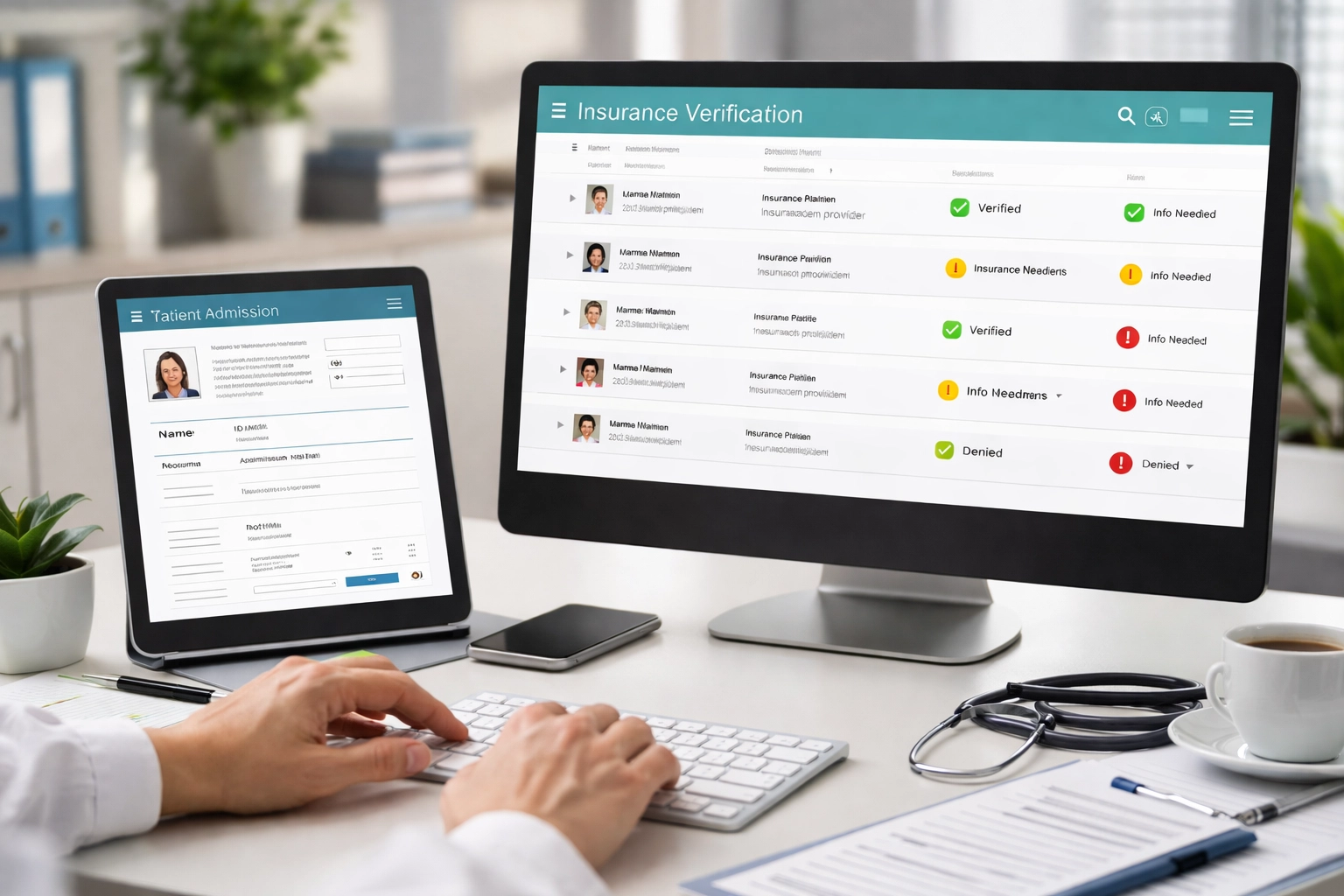
Modern insurance verification healthcare platforms can:
- Pull and verify DD214 information instantly
- Cross-reference eligibility requirements automatically
- Flag potential issues before they become problems
- Integrate seamlessly with your existing workflow
Facilities using automated verification tools report filling beds 10X faster than those relying on manual processes. They’re also seeing that 50-70% time savings we mentioned earlier.
Take Your Veteran Admissions to the Next Level
Boosting your veteran admission rate doesn’t require hiring more staff or working longer hours. It requires working smarter. These five DD214 verification tips give you a solid foundation, but the real transformation happens when you combine best practices with the right technology.
Your competitors are already streamlining their processes. The question is: will you keep up or get left behind?
Ready to see how Smart Admissions can help your facility verify DD214 eligibility instantly? Learn how it works or start your free trial today.