
TL;DR:
- Integrated facility software unifies building operations, maintenance, compliance, and patient intake into a single management platform. It reduces costs, improves efficiency, and supports proactive maintenance through data integration and automation. Adoption success depends on standardizing data upfront and focusing on high-impact quick wins.
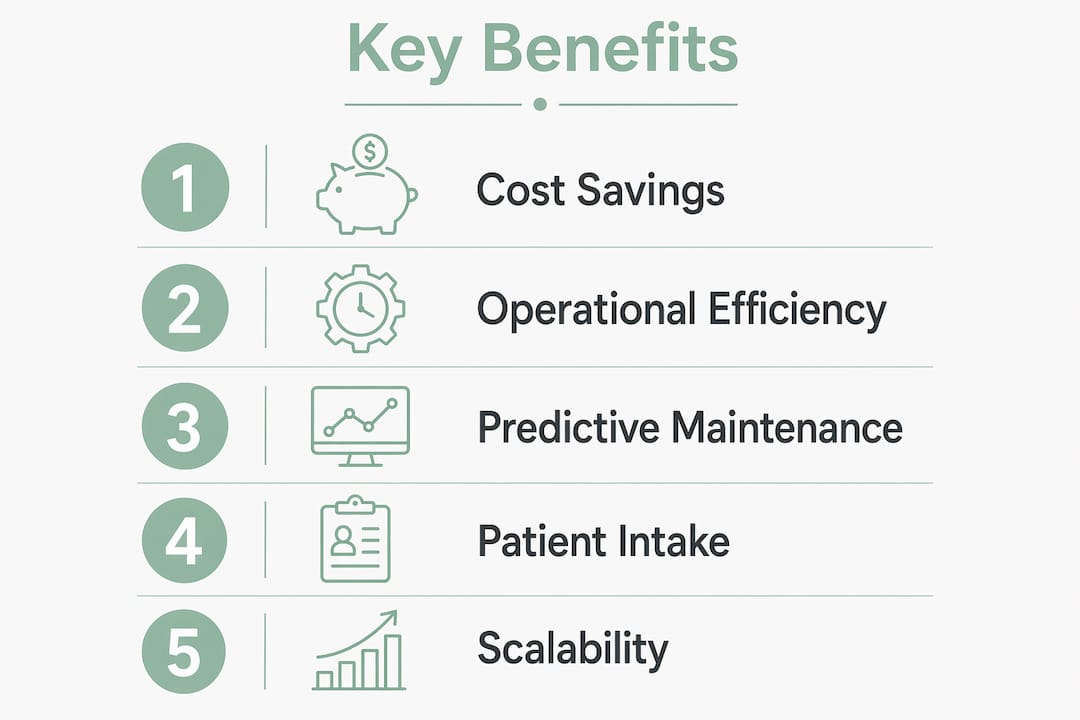
Integrated facility software is a centralized platform that consolidates building operations, maintenance, compliance, and patient intake into a single management system. Healthcare administrators evaluating why use integrated facility software need a clear answer: it replaces fragmented, multi-vendor chaos with unified data, automated workflows, and measurable cost reductions. The IFM market is projected to reach $160.6 billion by 2030, growing from $108.9 billion in 2024. That growth reflects real demand from facilities that can no longer afford the operational drag of disconnected systems. For skilled nursing facilities, rehabilitation centers, and post-acute care providers, the stakes are especially high because inefficiency directly affects patient outcomes and bed fill rates.
Why use integrated facility software for operational efficiency?
Fragmented multi-vendor models are expensive by design. Facilities using disconnected systems pay 20–30% more in maintenance costs due to administrative overhead, duplicated vendor contracts, and manual coordination. That premium adds up fast in a skilled nursing facility managing HVAC, security, cleaning, and biomedical equipment across multiple floors.

Energy costs follow the same pattern. Integrated systems reduce energy usage by 15–25%, with hospitals specifically showing 18.75% lower energy consumption and 20% fewer CO2 emissions. For a 150-bed facility running climate control and medical equipment around the clock, that reduction translates directly to budget relief.
The operational benefits of integrated facility management include:
- Automated work orders: The system generates, assigns, and tracks maintenance tasks without manual input, eliminating the spreadsheet dependency that causes errors and delays.
- Unified vendor accountability: A single point of contact replaces multi-vendor finger-pointing, with KPI tracking built into the platform so performance gaps are visible immediately.
- Compliance reporting: Automated tracking supports regulatory requirements and reduces the risk of penalties during audits.
- Real-time dashboards: Administrators see facility status across all departments in one view rather than chasing reports from separate systems.
Pro Tip: Before selecting a platform, map every vendor contract currently in place. Facilities that complete this audit before integration typically identify 3–5 redundant service agreements they can consolidate immediately.
Organizations that implement an Integrated Workplace Management System (IWMS) often achieve strong ROI within 12 months by automating work orders and compliance reporting. The first year return is not theoretical. It comes from eliminating the manual labor that previously consumed your team’s time on tasks that software now handles automatically.
How does integrated software enable predictive maintenance?
Reactive maintenance is the most expensive way to run a facility. When equipment fails without warning, you pay emergency labor rates, face unplanned downtime, and risk regulatory citations if critical systems go offline in a care environment. Integrated facility management software changes this by creating what industry analysts call a centralized operational brain, consolidating data from HVAC sensors, security systems, cleaning schedules, and energy meters into one platform.
Integration shifts facility management from reactive firefighting to proactive data-informed operations, anticipating equipment failures before they occur. The mechanism is straightforward: sensors feed real-time data into the platform, AI algorithms identify anomalies, and the system generates predictive alerts before failure happens.
Here is how a predictive maintenance workflow functions in practice:
- Sensor data collection: IoT sensors on HVAC units, elevators, and medical gas systems transmit performance data continuously to the integrated platform.
- Anomaly detection: The software compares current readings against historical baselines and flags deviations that precede known failure patterns.
- Automated work order generation: When a threshold is crossed, the system creates a maintenance ticket, assigns it to the appropriate technician, and schedules the repair during low-census hours.
- Asset lifecycle tracking: Every intervention is logged, building a maintenance history that informs capital replacement planning and extends asset life.
“Facility software should be viewed as a strategic enabler of organizational value, not just a cost-saving tool, by reducing unplanned downtime and supporting long-term capital planning.” — AssetWorks
Modern FM software enables real-time analytics that reduce unplanned downtime and prolong asset life, postponing costly capital replacements. For a skilled nursing facility where a failed boiler or broken elevator creates immediate patient safety concerns, this capability is not optional. It is a core operational requirement.
What advantages does integrated software offer for patient intake?
Patient intake is where facility efficiency and clinical outcomes intersect most directly. When your admissions process relies on manual referral reviews, phone-based insurance verification, and paper-based bed management, delays compound at every step. Integrated software for operations addresses this by connecting referral management, Electronic Medical Records (EMR), and bed management into a single workflow.
Automated intake processes speed bed occupancy by 20% compared to manual workflows. That improvement is not just an operational metric. A 20% faster bed fill rate means more revenue per month and fewer referrals lost to competitors who respond faster.
The specific advantages for your admissions team include:
- Real-time eligibility verification: The platform queries insurance portals automatically during referral review, eliminating the phone calls that previously delayed admission decisions by hours or days.
- EMR integration: Patient clinical data flows directly into your system, reducing duplicate data entry and the transcription errors that create compliance exposure. Learn more about EMR integration benefits for healthcare facilities.
- Bed management visibility: Administrators see real-time bed availability across units, enabling faster placement decisions and reducing the time a referral sits unactioned.
- Compliance documentation: Automated tracking supports regulatory requirements and reduces the risk of penalties, with documentation generated and stored automatically during each admission.
- Team communication: Integrated platforms give clinical, administrative, and financial staff a shared view of each referral, reducing the back-and-forth that slows decisions.
Pro Tip: Identify your single highest-volume manual task in the admissions workflow, whether it is insurance verification, clinical document collection, or bed assignment, and prioritize automating that task first. A focused quick win builds team confidence in the new system faster than a full rollout.
Effective bed management systems are a direct output of integration. When referral data, clinical assessments, and bed availability all live in the same platform, your team makes faster and better-informed placement decisions.
Integrated vs. fragmented systems: which performs better?
The performance gap between integrated and fragmented facility management systems is measurable across every operational dimension. The table below compares the two approaches directly.
| Dimension | Fragmented multi-vendor systems | Integrated facility management |
|---|---|---|
| Maintenance costs | 20–30% higher due to overhead | Reduced through consolidated contracts |
| Vendor accountability | Finger-pointing between vendors | Single point of contact with KPI tracking |
| Data visibility | Siloed reports from separate systems | Unified real-time dashboard |
| Compliance reporting | Manual compilation, error-prone | Automated tracking and audit-ready logs |
| Staff workload | High administrative burden | Reduced by automation of repetitive tasks |
| Scalability | Difficult; each vendor scales separately | Platform scales with facility growth |
| Patient intake speed | Delayed by manual coordination | Up to 20% faster bed occupancy |
The accountability gap in fragmented systems is particularly damaging in healthcare environments. When a maintenance failure or compliance gap occurs, non-integrated systems make it difficult to identify where the breakdown happened. Integrated platforms eliminate vendor finger-pointing by providing a single point of contact and accountability, with every action logged and attributable.
Scalability is the other critical factor. A skilled nursing facility that adds a wing or acquires a second location cannot simply add another vendor to an already fragmented stack. Integrated platforms scale by extending the existing data architecture, keeping reporting consistent and compliance manageable across multiple sites.
Key Takeaways
Integrated facility software delivers measurable cost reductions, faster patient admissions, and proactive maintenance by replacing fragmented multi-vendor systems with a single unified platform.
| Point | Details |
|---|---|
| Cost reduction is immediate | Fragmented systems cost 20–30% more; integration eliminates that overhead within the first year. |
| Predictive maintenance prevents failures | Sensor data and AI analytics identify equipment issues before they cause downtime or safety events. |
| Intake automation speeds revenue | Automated admissions workflows deliver up to 20% faster bed occupancy and fewer lost referrals. |
| Accountability requires a single platform | Unified systems replace multi-vendor finger-pointing with KPI tracking and audit-ready logs. |
| Data standardization comes first | Unifying vendor data before applying AI analytics is the prerequisite for accurate predictive insights. |
What I have learned about adopting integrated facility management
The facilities that struggle most with integration are not the ones with the oldest systems. They are the ones that skip data standardization and go straight to software deployment. Poor data standardization leads to adoption challenges and inaccurate analytics, which erodes staff trust in the platform within the first few months.
The first 6–12 months of adoption involve real change management work: cleaning legacy data, retraining staff, and rebuilding workflows around the new system. That period is uncomfortable. The facilities that get through it successfully are the ones that identify one or two high-pain manual processes and automate those first. A quick win creates momentum that carries the broader rollout.
The human side of this transition matters more than most administrators expect. Integrated software shifts staff focus from repetitive paperwork to strategic asset and patient management roles. That shift improves job satisfaction, but only if staff understand why their role is changing and what the new expectations are. Invest in that communication early, and the technology adoption follows naturally.
— Harry
How Smartadmissions helps your facility run at full capacity
Smartadmissions is built specifically for skilled nursing facilities, rehabilitation centers, and post-acute care providers that need to move faster on referrals without adding administrative headcount.
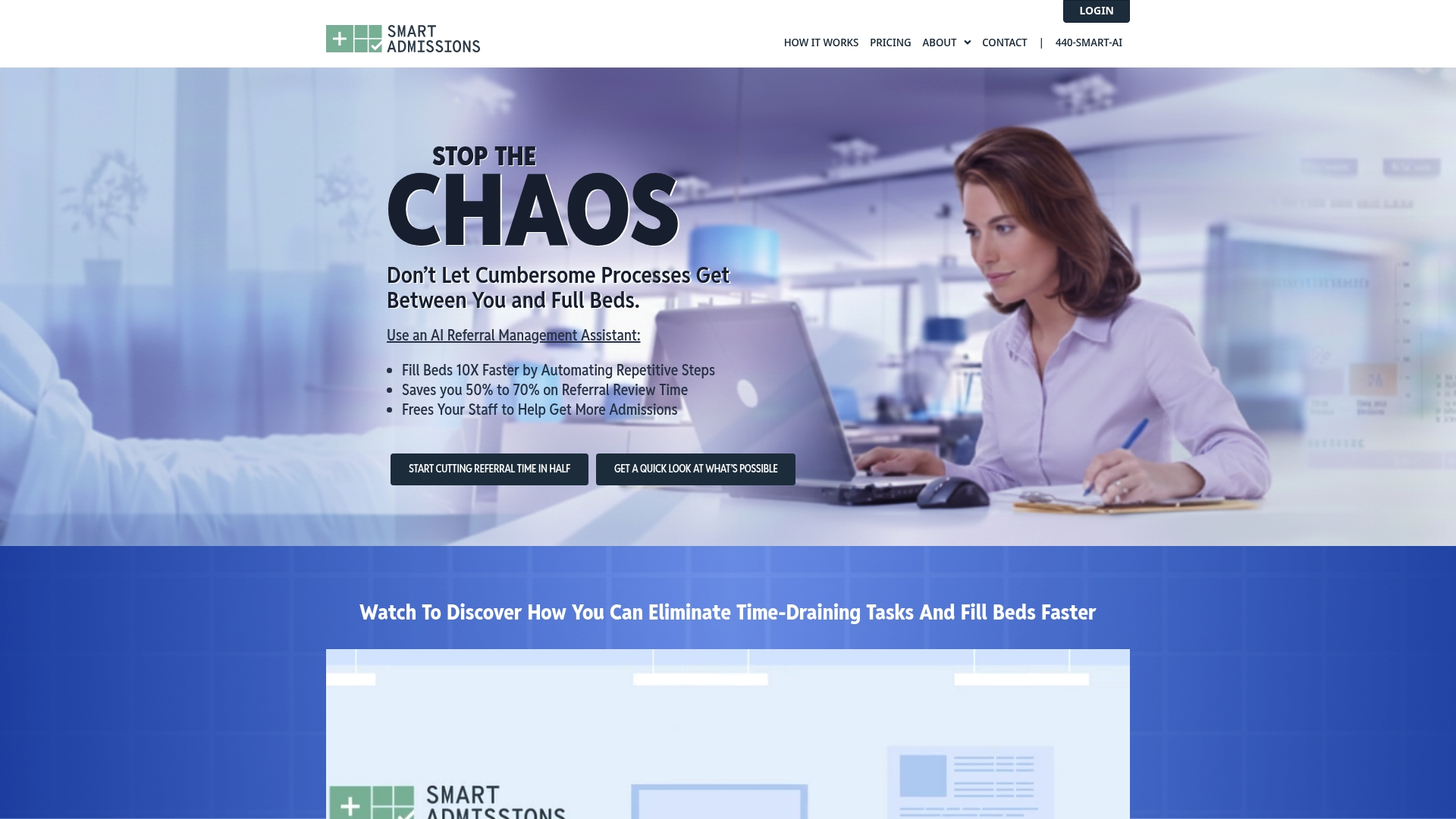
The platform connects referral management, EMR integration, insurance verification, and clinical documentation into one workflow. Your admissions team reviews referrals, confirms eligibility, and assigns beds from a single interface rather than toggling between portals and spreadsheets. Explore referral management systems that facilities are using to improve intake speed and reduce manual work. You can also review top referral management tools for 2026 to see how Smartadmissions compares and where it fits your operational needs.
FAQ
What is integrated facility software in healthcare?
Integrated facility software is a unified platform that consolidates building operations, maintenance, compliance, and patient intake management into a single system. In healthcare, it connects EMR, referral management, bed tracking, and vendor accountability under one interface.
How much can integrated facility management reduce costs?
Facilities using fragmented multi-vendor models pay 20–30% more in maintenance costs than necessary. Integration eliminates that overhead by consolidating contracts, automating work orders, and providing unified vendor accountability.
Why use facility management software for patient admissions?
Automated admissions workflows speed bed occupancy by up to 20% compared to manual processes. Integration connects referral data, insurance verification, and EMR records so your team makes faster placement decisions with fewer errors.
How long does it take to see ROI from integrated systems?
Organizations typically achieve strong ROI within the first 12 months of IWMS implementation by automating work orders and compliance reporting. Quick wins from automating high-pain workflows accelerate that timeline.
What is the biggest risk when implementing integrated facility software?
Poor data standardization before deployment is the leading cause of adoption failure. Unifying data from existing vendors before applying AI-driven analytics is the prerequisite for accurate reporting and staff trust in the new system.