
Managing patient referrals at skilled nursing homes can quickly become a maze of paperwork, phone calls, and delayed communication. Admissions coordinators face mounting pressure to find solutions that simplify workflows without sacrificing accuracy or privacy. As sophisticated platforms and AI-driven systems now enable instant data sharing and automated patient routing, the promise of efficient referral management technology is transforming how care facilities worldwide handle administrative tasks and patient transitions.
Table of Contents
- What Technology Means For Referral Management
- Types Of Referral Management Solutions Today
- How Automation Transforms Patient Intake
- Integrating EMR And Insurance Verification Tools
- Compliance, Privacy, And Data Security Standards
- Evaluating Costs And Maximizing Efficiency Gains
Key Takeaways
| Point | Details |
|---|---|
| Centralized Patient Information | Implementing referral management technologies enables organizations to create comprehensive digital patient profiles that enhance coordination. |
| Real-Time Communication and Automation | Modern referral systems increase efficiency by allowing instant data sharing and minimizing manual tasks, significantly improving patient intake processes. |
| Integration of Technologies | Integrating Electronic Health Record systems with insurance verification tools streamlines workflows, reduces claim denials, and enhances operational performance. |
| Focus on Compliance and Security | Organizations must prioritize data security and regulatory compliance to protect sensitive patient information and maintain trust in healthcare systems. |
What Technology Means for Referral Management
Technology has fundamentally transformed referral management from a manual, time-consuming process into a streamlined, intelligent system that enhances healthcare coordination. Modern referral technologies represent far more than simple digital directories – they are sophisticated platforms designed to optimize patient routing, communication, and administrative efficiency.
At its core, referral management technology serves several critical functions for healthcare organizations:
- Centralized Patient Information: Create comprehensive digital profiles that track patient details, medical history, and referral status
- Real-Time Communication: Enable instant sharing of patient data between providers and facilities
- Automated Routing: Intelligently direct referrals to the most appropriate care settings based on clinical criteria
- Performance Analytics: Generate insights about referral patterns, processing times, and network effectiveness
Healthcare organizations are increasingly recognizing that modern referral systems go beyond simple record-keeping. These platforms represent a strategic approach to improving inter-agency coordination by leveraging advanced technological capabilities.
The evolution of referral technologies reflects broader digital transformation trends in healthcare. Where traditional systems relied on phone calls, faxes, and paper trails, contemporary solutions integrate artificial intelligence, machine learning, and comprehensive data analytics to streamline complex referral workflows.
Effective referral technologies transform fragmented communication into a seamless, intelligent network that prioritizes patient access and care coordination.
Key technological advances driving referral management include:
- Electronic Health Record (EHR) Integration
- AI-Powered Matching Algorithms
- Secure Cloud-Based Platforms
- Mobile-Friendly Interfaces
- Advanced Reporting and Tracking Mechanisms
Pro tip: Invest in referral management technologies that offer robust integration capabilities and real-time tracking to maximize operational efficiency.
Types of Referral Management Solutions Today
Healthcare organizations today have access to a diverse array of referral management solutions that cater to different operational needs and technological sophistication levels. These solutions range from basic digital platforms to advanced artificial intelligence-powered systems designed to optimize patient routing and care coordination.
Based on comprehensive research, referral management solutions can be categorized into several primary types:
- Electronic Health Record (EHR) Integrated Systems
- Web-Based Referral Platforms
- AI-Powered Matching Solutions
- Cloud-Based Collaborative Networks
- Mobile Application Referral Tools
Researchers have found that multi-component referral intervention systems tend to be most effective, particularly those incorporating advanced technological capabilities. These comprehensive solutions go beyond simple record transfer, enabling intelligent routing, real-time communication, and detailed analytics.
The technological landscape of referral management has evolved dramatically, moving from paper-based processes to sophisticated digital ecosystems. Contemporary solutions now integrate multiple functionalities that streamline communication, reduce administrative burden, and enhance patient care pathways.

To help with solution selection, compare these advanced referral management characteristics:
| Characteristic | Why It Matters | Potential Impact |
|---|---|---|
| Interoperability | Ensures systems connect and exchange | Unifies patient information |
| Real-Time Data Exchange | Enables instant provider updates | Faster care coordination |
| Intelligent Routing | Directs referrals to the best option | Improved patient outcomes |
| Comprehensive Reporting | Tracks outcomes and efficiency | Better organizational insight |
| Secure Frameworks | Protects sensitive patient data | Maintains compliance |
Modern referral management technologies are not just tools, but strategic platforms that transform healthcare coordination and patient access.
Key characteristics of advanced referral management solutions include:
- Seamless Interoperability
- Real-Time Patient Data Exchange
- Intelligent Routing Algorithms
- Comprehensive Reporting Capabilities
- Secure Compliance Frameworks
Pro tip: Select referral management solutions that offer flexible integration, robust security protocols, and scalable infrastructure to future-proof your healthcare technology investments.
How Automation Transforms Patient Intake
Patient intake automation represents a revolutionary shift in healthcare administrative processes, fundamentally redesigning how medical facilities collect, process, and manage patient information. By replacing manual, time-consuming workflows with intelligent digital systems, healthcare organizations can dramatically improve operational efficiency and patient experience.
Automation introduces several critical improvements to patient intake processes:
- Rapid Data Collection: Eliminate paper forms and manual data entry
- Real-Time Insurance Verification: Instantly confirm patient coverage and eligibility
- Electronic Health Record Integration: Seamlessly transfer patient information
- Reduced Administrative Burden: Minimize repetitive manual tasks
- Enhanced Accuracy: Minimize human error in patient documentation
Researchers have demonstrated that AI-driven workflow automation can reduce patient intake time by up to 70%, significantly improving overall healthcare service delivery. These sophisticated systems not only streamline administrative processes but also enhance collaboration among clinicians, patients, and staff.
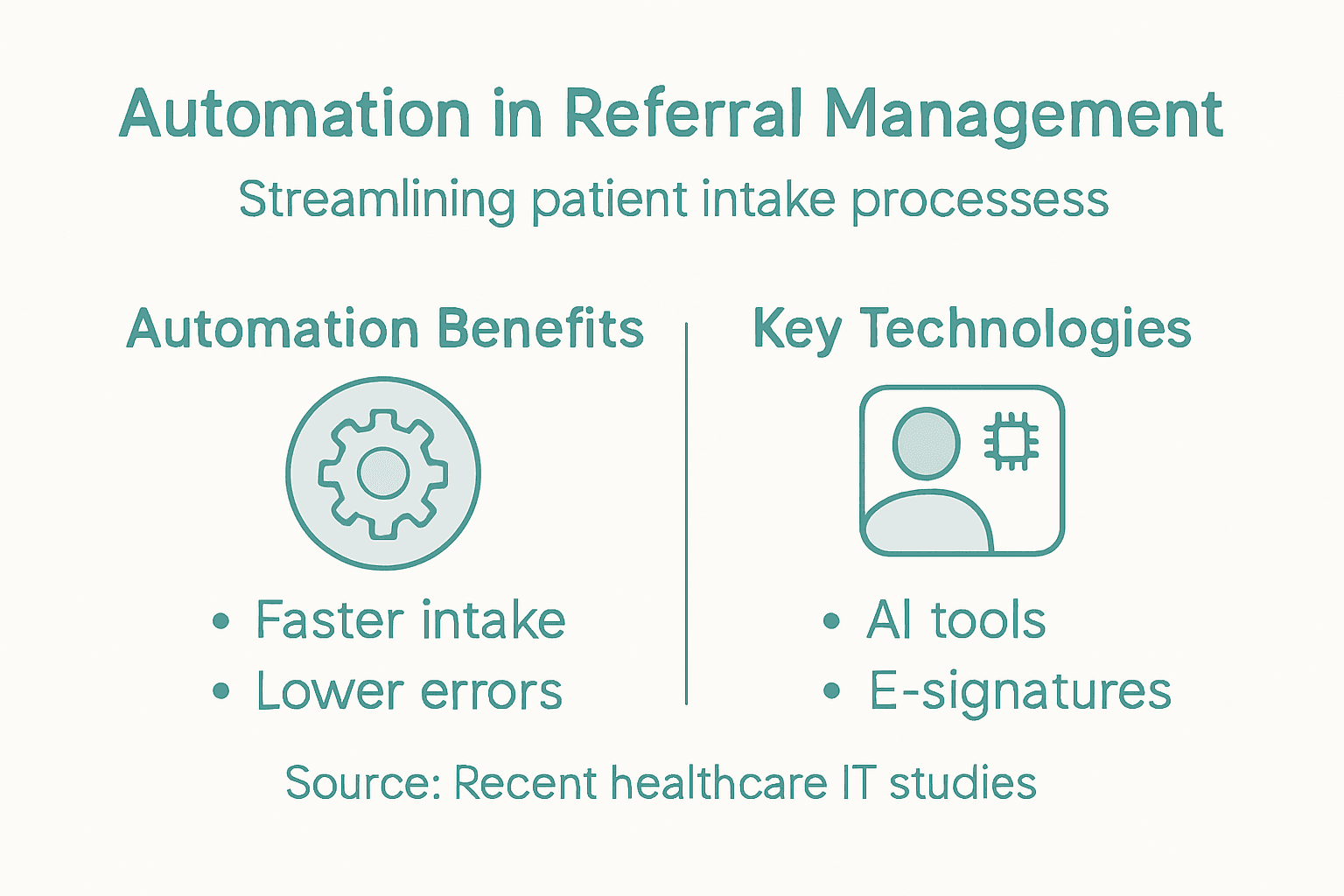
The transformation goes beyond simple digitization. Modern automation technologies leverage artificial intelligence and machine learning to create intelligent, adaptive intake systems that can predict potential bottlenecks, flag incomplete information, and optimize patient routing in real-time.
Here’s a summary of how automation enhances patient intake:
| Improvement Area | Manual Process Drawbacks | Automated Process Benefits |
|---|---|---|
| Data Collection | Slow, error-prone paper forms | Fast digital entry with high accuracy |
| Insurance Verification | Delayed, often completed by phone | Instant confirmation reduces intake bottlenecks |
| EHR Integration | Requires re-entry, risk of mistakes | Direct information transfer, no duplication |
| Administrative Workload | High staff effort, repetitive tasks | Repetitive tasks eliminated, more efficiency |
| Documentation Accuracy | Frequent errors, incomplete records | Consistent validation ensures quality |
Automation is not just about speed – it’s about creating a more intelligent, responsive healthcare ecosystem.
Key technological capabilities driving patient intake automation include:
- Intelligent Document Processing
- Predictive Data Validation
- Secure Information Exchange
- Automated Scheduling
- Comprehensive Compliance Tracking
Pro tip: Implement patient intake automation solutions that offer comprehensive integration, robust security protocols, and scalable infrastructure to maximize operational efficiency and patient satisfaction.
Integrating EMR and Insurance Verification Tools
The convergence of Electronic Medical Record (EMR) systems and insurance verification technologies represents a transformative approach to healthcare administrative processes. By creating seamless digital ecosystems, healthcare providers can dramatically reduce administrative overhead, minimize errors, and accelerate patient intake workflows.
Key benefits of EMR and insurance verification tool integration include:
- Automated Eligibility Checks: Instant patient coverage verification
- Real-Time Data Synchronization: Eliminate manual data entry
- Reduced Claim Denials: Improve financial accuracy
- Comprehensive Patient Information Management: Centralized data repository
- Enhanced Compliance Tracking: Maintain regulatory standards
Researchers have demonstrated that EHR integration with verification systems can reduce claim denials by up to 30%, significantly improving healthcare financial performance and operational efficiency.
The integration goes beyond simple data transfer. Modern solutions leverage artificial intelligence and machine learning algorithms to create intelligent verification workflows that can predict potential issues, validate information in real-time, and streamline communication between clinical and financial departments.
Successful EMR and insurance verification integration is not just about technology – it’s about creating a more responsive, accurate healthcare ecosystem.
Critical technological components driving this integration include:
- Secure API Connections
- Machine Learning Validation Algorithms
- Real-Time Eligibility Checking
- Automated Documentation Routing
- Comprehensive Compliance Monitoring
Pro tip: Select integration solutions that offer robust API frameworks, advanced security protocols, and flexible customization to ensure seamless data exchange across your healthcare technology infrastructure.
Compliance, Privacy, and Data Security Standards
Data security and privacy represent critical foundations for modern healthcare technology, especially in referral management systems where sensitive patient information is continuously exchanged. Healthcare organizations must navigate complex regulatory landscapes to ensure patient data remains protected, confidential, and used ethically.
Key compliance considerations for referral management technologies include:
- HIPAA Regulatory Alignment: Ensure full protection of Protected Health Information (PHI)
- Encryption Standards: Implement robust data transmission safeguards
- Access Control Mechanisms: Restrict data visibility to authorized personnel
- Audit Trail Documentation: Maintain comprehensive activity logs
- Secure Network Infrastructure: Protect against potential cybersecurity threats
HIPAA compliance in referral networks demands stringent protocols that protect patient privacy throughout the entire referral lifecycle, with significant legal and financial consequences for non-compliance.
Modern healthcare technologies increasingly integrate advanced security frameworks that go beyond basic regulatory requirements. These systems leverage sophisticated encryption, multi-factor authentication, and intelligent monitoring tools to create comprehensive defense mechanisms against potential data breaches.
Effective data security is not just about preventing unauthorized access, but creating a holistic ecosystem of trust and protection.
Critical components of a robust compliance strategy include:
- Continuous Regulatory Monitoring
- Advanced Encryption Protocols
- Comprehensive User Authentication
- Real-Time Threat Detection
- Regular Security Audits
Pro tip: Implement a comprehensive security framework that combines technological solutions, staff training, and ongoing compliance assessments to maintain the highest standards of patient data protection.
Evaluating Costs and Maximizing Efficiency Gains
Healthcare organizations increasingly recognize that strategic technology investments in referral management can significantly transform operational efficiency and financial performance. The traditional manual referral processes are not just time-consuming but also represent substantial hidden costs that impact overall organizational productivity and patient care quality.
Key areas for efficiency evaluation include:
- Administrative Labor Costs: Reduce manual processing time
- Error Reduction Savings: Minimize claim denials and rework
- Technology Implementation Expenses: Calculate return on investment
- Operational Workflow Optimization: Streamline communication channels
- Performance Tracking Metrics: Measure tangible productivity gains
Electronic health system interventions demonstrate significant potential for improving referral rates and reducing unnecessary administrative overhead, providing a compelling business case for technological transformation.
Modern referral management technologies offer sophisticated analytics that enable healthcare administrators to quantify efficiency gains with unprecedented precision. By tracking key performance indicators such as referral completion rates, processing times, and communication effectiveness, organizations can make data-driven decisions about technology investments.
Efficiency is not about cutting costs, but about creating intelligent, responsive healthcare ecosystems that maximize both operational performance and patient outcomes.
Critical metrics for evaluating referral management technology include:
- Referral Processing Time Reduction
- Administrative Labor Cost Savings
- Claim Denial Rate Improvement
- Patient Satisfaction Scores
- Provider Network Collaboration Effectiveness
Pro tip: Conduct a comprehensive cost-benefit analysis that goes beyond immediate financial metrics, considering long-term improvements in operational efficiency, staff satisfaction, and patient care quality.
Transform Your Referral Management with Smart Admissions Technology
The article highlights the challenges healthcare providers face with complex referral workflows, administrative burdens, and the need for real-time data integration. If your facility struggles with manual intake processes, delayed eligibility verification, or inefficient patient routing, these challenges can lead to lost revenue and staff burnout. Smart Admissions directly addresses these pain points by offering an AI-powered referral management assistant designed to automate repetitive tasks while seamlessly integrating with Electronic Medical Records and insurance verification systems. This means faster referral reviews, improved bed occupancy, and enhanced decision-making driven by actionable analytics.
With Smart Admissions you can expect:
- Rapid patient eligibility verification and clinical assessment
- Streamlined documentation management
- Minimized manual work to reduce staffing fatigue
- Scalable customization with easy onboarding
Experience how modern technology can simplify and optimize your referral workflow now.
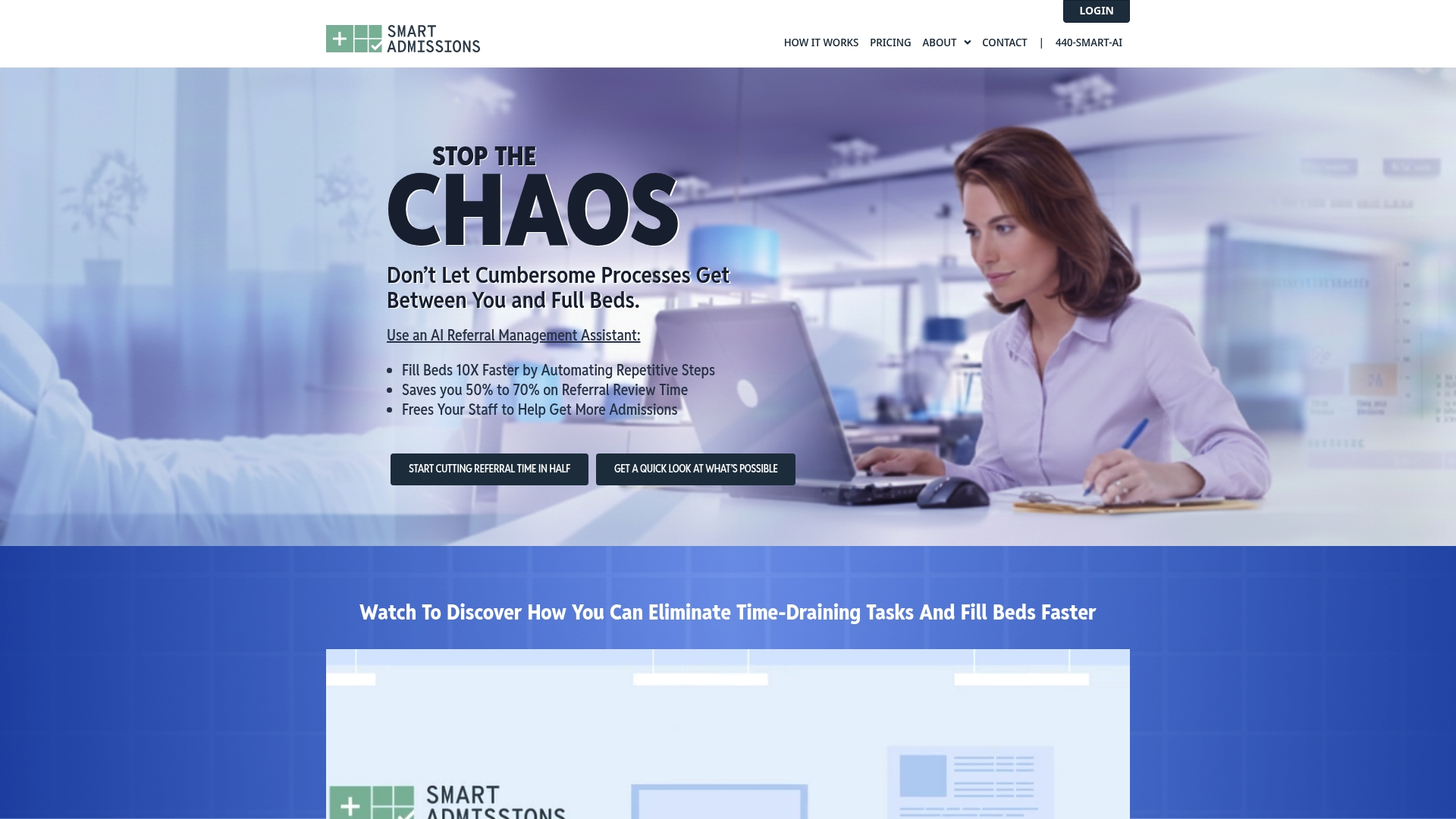
Ready to boost operational efficiency and maximize revenue with an advanced referral management platform Visit Smart Admissions today to explore how our solutions align with the latest healthcare technology trends discussed in this article Discover more on how to integrate automation and analytics into your workflow by visiting our landing page and start transforming patient intake processes immediately.
Frequently Asked Questions
What is referral management technology?
Referral management technology is a system that streamlines the process of managing patient referrals in healthcare by centralizing patient information, enabling real-time communication, and automating referral routing based on clinical criteria.
How does technology improve patient intake processes?
Technology enhances patient intake processes by automating data collection, providing real-time insurance verification, and integrating with Electronic Health Records (EHR) to minimize administrative burdens and reduce errors.
What are the key benefits of integrating EMR and insurance verification tools?
Integrating EMR and insurance verification tools provides benefits such as automated eligibility checks, real-time data synchronization, reduced claim denials, and enhanced compliance tracking, which together streamline patient intake workflows.
How can healthcare organizations evaluate the cost-effectiveness of referral management technologies?
Healthcare organizations can evaluate cost-effectiveness by analyzing metrics such as referral processing time reduction, administrative labor cost savings, claim denial rate improvements, and overall patient satisfaction scores.
Recommended
- What Is Referral Management and Why It Matters
- The Busy Administrator’s Guide to Streamlining Referral Processes in Under an Hour – Smart Admissions
- Stop Wasting 45 Minutes on Each Referral: Try These 5 Post-Acute Care Automation Hacks – Smart Admissions
- How to Cut Referral Processing Time from 45 to 5 Minutes | AI Admissions Automation for Skilled Nursing Facilities
- Cad Cam zahntechnik | Artident