
Let's be honest. If you're running admissions at a skilled nursing facility, you're probably drowning in paperwork, chasing insurance verifications, and watching referrals slip away to competitors who somehow respond faster.
Sound familiar?
Here's the thing: AI admissions software for skilled nursing facilities isn't some futuristic technology anymore. It's here, it's working, and facilities that aren't using it are falling behind. But there's also a lot of hype and confusion floating around.
So let's cut through the noise and talk about what this technology actually does, what it doesn't do, and whether it's right for your facility.
What Exactly Is AI Admissions Software?
At its core, AI admissions software automates and streamlines the intake process. We're talking about the tedious stuff that eats up your team's day: data entry, insurance verification, referral management, and documentation tasks that traditionally require hours of manual work.
But it goes beyond simple automation. These platforms use artificial intelligence to extract information from admission forms and referral documents, validate data before it hits your EHR, and flag inconsistencies before they become problems.
Think of it as having a super-efficient assistant who never sleeps, never makes typos, and can process a referral packet in minutes instead of hours.
Ready to see what AI can do for your admissions workflow? Visit smartadmissions.ai to start a free trial or message our team.
How Does It Actually Work?
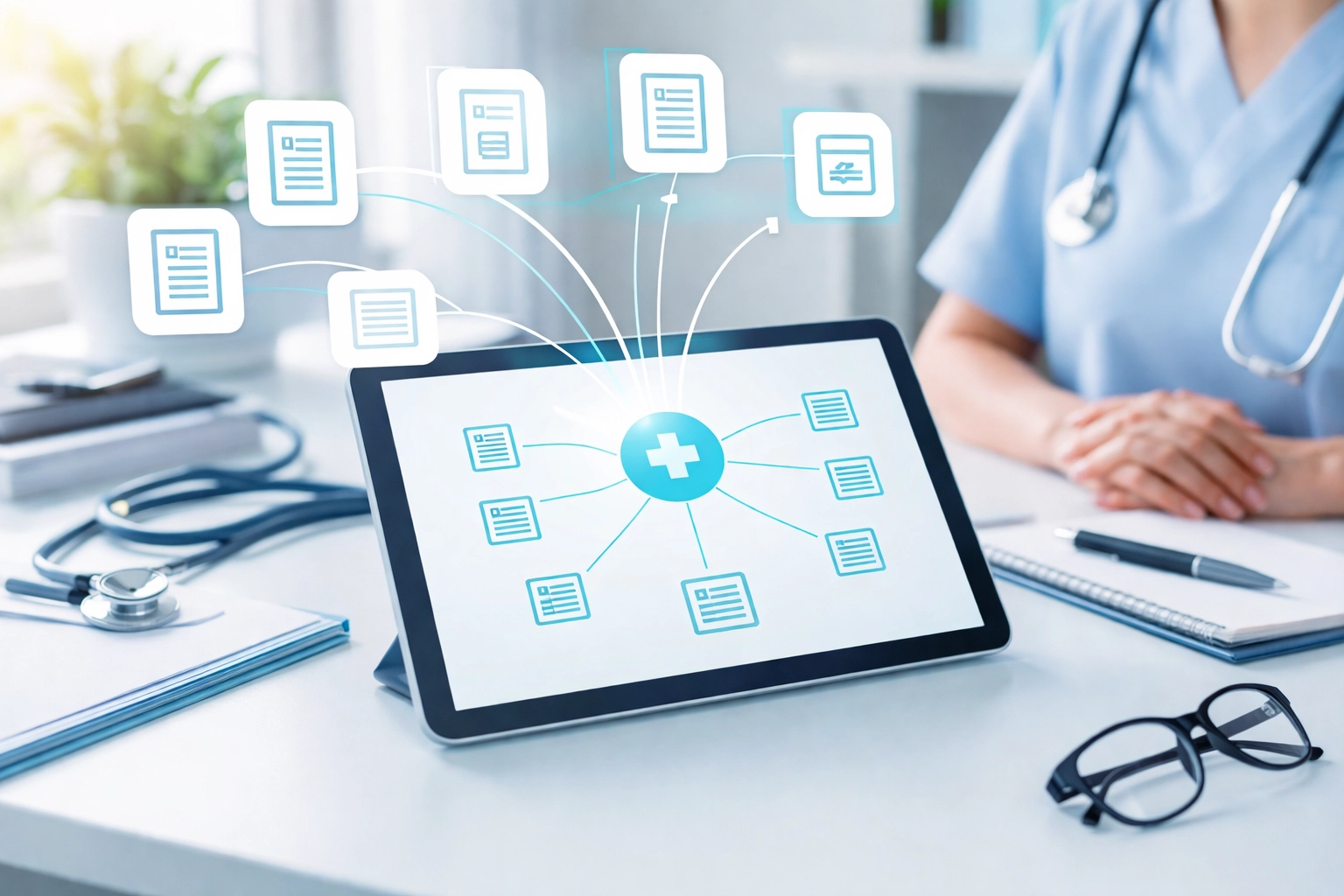
Let's break down what happens when a referral hits an AI-powered admissions platform:
1. Automated Data Extraction
When a hospital sends over a referral packet (often a messy PDF with handwritten notes, lab results, and insurance cards), the AI doesn't just store it. It reads it. The system extracts patient demographics, diagnoses, medications, and insurance information automatically.
No more manually typing everything into your system. No more squinting at illegible handwriting.
2. Real-Time Insurance Verification
Instead of your team spending 15-20 minutes on the phone with insurance companies, the software instantly verifies eligibility. It checks coverage, identifies any authorization requirements, and flags potential issues before you've even accepted the patient.
We've written about how real-time insurance verification saves SNFs 50-70% on administrative time: and those numbers aren't exaggerated.
3. Clinical Evaluation Support
The AI evaluates clinical data against your facility's capabilities and care requirements. Can you actually care for this patient? Does their acuity level match what your staff can handle? The system helps your team make faster, more informed decisions.
This is especially critical when you consider the clinical red flags your admissions team should catch in every referral.
4. Instant Communication
AI-powered chatbots and virtual assistants can provide immediate responses to inquiries from patients, families, and referring hospitals. When a discharge planner calls at 4:45 PM on a Friday asking about bed availability, the system can respond instantly.
The Real Benefits (Not Just Marketing Fluff)

Here's where we get into the numbers that actually matter to SNF administrators:
Speed That Changes Everything
Manual referral reviews typically take 45 minutes or more. AI-powered platforms can cut that down to 5 minutes. That's not a typo: we're talking about a 90% reduction in review time.
Why does speed matter so much? Because the facility that responds first usually wins the referral. Period. Studies show that instant referral responses can increase admission rates by 40%.
Error Reduction
Manual data entry is error-prone. Tired staff make mistakes. AI doesn't get tired at 3 PM on a busy Tuesday. By automating data extraction and validation, these systems minimize inaccuracies and improve documentation integrity.
Fewer errors mean fewer claim denials, fewer compliance headaches, and fewer awkward conversations with families about incorrect information.
Compliance on Autopilot
HIPAA requirements. Medicare guidelines. State regulations. It's a lot to keep track of manually. AI admissions software automates compliance checks, maintains audit trails, and manages documentation to keep you on the right side of regulators.
Staff Actually Doing What They're Trained For
Here's the thing nobody talks about enough: your nurses and admissions coordinators didn't get into healthcare to do data entry. By handling administrative tasks, AI frees your clinical staff to focus on patient care and relationship building.
That's better for your staff, better for your patients, and better for your facility's reputation.
Common Myths About AI Admissions Software
Let's address some of the misconceptions we hear all the time:
"It's going to replace my admissions team"
No. Full stop. AI admissions software for skilled nursing facilities is a tool that makes your team more effective: not a replacement for human judgment. The technology handles the repetitive tasks so your people can focus on the decisions that actually require a human touch.
"It's too complicated to implement"
Modern platforms are designed for healthcare facilities, not tech companies. Most implementations don't require a dedicated IT team or months of setup. We've covered how to implement admissions software without an IT degree: and the same principles apply to broader admissions automation.
"We're too small for this kind of technology"
Actually, smaller facilities often see the biggest impact. When you have a lean team, eliminating manual tasks from each person's day creates dramatic efficiency gains. You don't need to be a 200-bed facility to benefit.
"It won't integrate with our existing systems"
Quality AI admissions platforms integrate with existing EHRs and facility management systems through secure APIs. Integration is actually a core feature, not an afterthought.
What to Look for in AI Admissions Software
Not all platforms are created equal. Here's what matters when you're evaluating options:
Integration capabilities: The software needs to play nice with your existing EHR and other systems. If it creates another data silo, you're just moving the problem around.
Real-time verification: Insurance and eligibility verification should happen instantly, not in batches overnight.
Analytics and reporting: You need visibility into referral patterns, conversion rates, and process bottlenecks. Data-driven insights help you continuously improve.
HIPAA compliance: This is non-negotiable. Make sure any platform you consider has proper security certifications and compliance documentation.
Support and training: Technology is only useful if your team can actually use it. Look for vendors that offer solid onboarding and ongoing support.
For a deeper dive, check out our complete guide to choosing post-acute care software in 2026.
The Bottom Line
AI admissions software for skilled nursing facilities isn't magic. It won't solve every problem your facility faces. But for the specific challenge of processing referrals quickly and accurately? It's a game-changer.
The facilities that are filling beds faster than their competitors aren't working harder: they're working smarter. They've automated the tedious stuff so their teams can focus on building relationships with referral sources and providing excellent care.
If your admissions team is still manually entering data, playing phone tag with insurance companies, and losing referrals because you can't respond fast enough, it might be time to take a serious look at what AI can do.
Want to see the difference for yourself? Head over to smartadmissions.ai to start your free trial or reach out to our team. We're happy to show you exactly how AI admissions software can transform your facility's intake process: no pressure, no complicated sales pitch. Just real answers to your real questions.