
What is Referral Management? Admissions coordinators in skilled nursing facilities across North America know the frustration of juggling multiple referral channels, verification steps, and incomplete documentation—all while trying to get patients the care they need quickly. The complexity of modern referral management often leads to missed opportunities and administrative overload, especially when processes rely heavily on manual tasks. Understanding that referral management is a dynamic process involving collaboration and resource optimization, as defined by the World Health Organization, reveals where facilities can gain efficiency and deliver smoother patient intakes.
Table of Contents
- Referral Management Defined And Common Misconceptions
- Types Of Referral Management In Healthcare
- How Referral Management Systems Function
- Key Benefits Of Automated Referral Solutions
- Risks, Challenges, And Mistakes To Avoid
Key Takeaways
| Point | Details |
|---|---|
| Effective Referral Management | It involves more than just receiving patient information; it requires a coordinated process to ensure seamless transitions and continuity of care. |
| Types of Referrals | Understanding various referral types (direct, electronic, presential, non-presential) helps optimize intake workflows in skilled nursing facilities. |
| Automation Benefits | Automated systems enhance speed, accuracy, and compliance, allowing staff to focus on patient care rather than administrative tasks. |
| Common Pitfalls | Facilities should avoid treating referral management as a one-time event and address administrative overload to prevent lost referrals. |
Referral Management Defined and Common Misconceptions
Referral management is the systematic coordination of transferring patient care responsibility from one provider to another. In your facility’s context, this typically means receiving patients from hospitals, physicians’ offices, or other providers who recognize that your skilled nursing facility has the specialized resources or capacity to deliver the next phase of care. But here’s where many admissions teams get tripped up: referral management is not just about receiving a fax or email. The World Health Organization defines it as a dynamic process where healthcare professionals seek assistance from other facilities to ensure patients access necessary services while promoting efficiency. For your team, that means managing documentation, verifying insurance eligibility, assessing clinical fit, and ensuring seamless handoffs that don’t drop the ball halfway through.
The complexity lies in what happens behind the scenes. When a referral arrives at your facility, you’re not just logging patient information into your system. You’re coordinating multiple moving parts simultaneously: confirming bed availability, verifying insurance coverage, reviewing clinical documentation for appropriateness, determining if the patient meets your admission criteria, and communicating timelines back to the referring provider. Many facilities underestimate how many steps this actually involves, which leads to delays, missed opportunities to fill beds, and frustration for your admissions staff who get caught managing spreadsheets and phone calls instead of focusing on quality intake decisions.
One major misconception is that referral management ends once a patient is admitted. That’s actually where it begins. Effective referral management guarantees continuity throughout the patient’s stay, minimizes care fragmentation between providers, and ensures compliance with regulatory mandates like HIPAA. Another common misconception is that a “good” referral system is simply one that processes patients quickly. Speed matters, certainly, but not at the expense of accuracy. A well-managed referral system improves patient outcomes, streamlines your operations, and maximizes organizational revenue by reducing what’s called “referral leakage”—those referrals that get lost, delayed, or redirected to competitors because your process wasn’t efficient enough to respond in time.
Pro tip: Start by mapping out every single step your current referral process takes from initial contact to admission decision—you’ll likely find 3 to 5 unnecessary handoff points where information gets lost or duplicated, and eliminating those becomes your quick win.
Types of Referral Management in Healthcare
Healthcare referral systems are not one-size-fits-all. Different facilities manage referrals in different ways, and understanding these variations helps you recognize where your skilled nursing facility fits and which approaches work best for your patient population. Referral systems typically encompass several types, classified both by how patients are referred and the method used to communicate that referral. The most basic distinction separates direct referrals, where a patient walks in or is sent directly by a provider, from electronic referrals (e-referrals), where information flows through digital systems. Beyond these two, you’ll encounter presential referrals where the referring provider and your facility communicate directly in real time, and non-presential referrals where the communication happens asynchronously through documentation, email, or fax. For many admissions coordinators at skilled nursing facilities, you’re likely handling a mix of all four types simultaneously, each requiring slightly different intake workflows and verification steps.
Within these categories, referrals can also be classified by reason and purpose. High-value referrals focus on minimizing wasteful activities by ensuring patients receive appropriate and timely specialist care, which in your context means admitting patients who genuinely need your facility’s level of care rather than accepting inappropriate admissions that waste beds and resources. Referral management interventions include process and system changes such as electronic health systems, referral algorithms, and structured communication templates that guide decision-making. Some facilities implement provider-driven referral systems where physicians and hospitals initiate and manage most referrals, while others incorporate patient-initiated options where individuals can self-refer based on their needs or preferences. The most effective approaches combine multiple intervention types: electronic systems for speed and accuracy, structured templates or proformas to ensure clinical appropriateness, and direct collaboration between primary care and specialists to eliminate gaps in communication.
For your facility, the key is recognizing that no single referral type or method works in isolation. You need infrastructure that can handle e-referrals arriving at 2 AM through your patient portal, phone calls from hospital discharge planners needing immediate bed confirmation, faxed clinical documentation that needs manual entry into your system, and family members calling with urgent questions. The complexity increases because each referral type carries different information, arrives through different channels, and requires different verification steps. This is exactly why many facilities struggle without proper system support. You could be losing referrals simply because your infrastructure is optimized for one type of referral but not equipped to handle the others efficiently.
Here’s how different types of referral management compare in a skilled nursing facility:
| Referral Type | Initiation Method | Communication Style | Common Challenges |
|---|---|---|---|
| Direct Referral | Provider sends patient | Phone or in-person | Timeliness, manual processes |
| Electronic Referral | Digital submission | Web portal or EMR | Data entry errors, tech gaps |
| Presential Referral | Real-time collaboration | Live calls, meetings | Scheduling, staff alignment |
| Non-presential | Asynchronous messages | Fax, email, documents | Lost info, slow response |
Pro tip: Audit your referral sources this week and categorize them by type (direct, e-referral, presential, non-presential) and reason, then identify which categories are creating the most delays or errors in your current process.
How Referral Management Systems Function
A referral management system is not just software you install and forget. It’s an orchestrated process that coordinates the movement of patients from their primary care source through your facility’s intake process and into care. At its core, the system combines several key components working together. Referral templates and guidelines standardize how information gets submitted, ensuring your team receives complete clinical details rather than scattered notes. Triage processes allow your admissions coordinators to quickly evaluate whether a referral matches your facility’s capabilities and bed availability. Clinical assessment tools help determine if the patient truly needs skilled nursing care or would be better served elsewhere. Payer authorization systems verify insurance eligibility before admission, preventing costly denials and billing disputes. And booking and coordination services ensure the patient moves seamlessly from referral acceptance to admission day without gaps in communication.
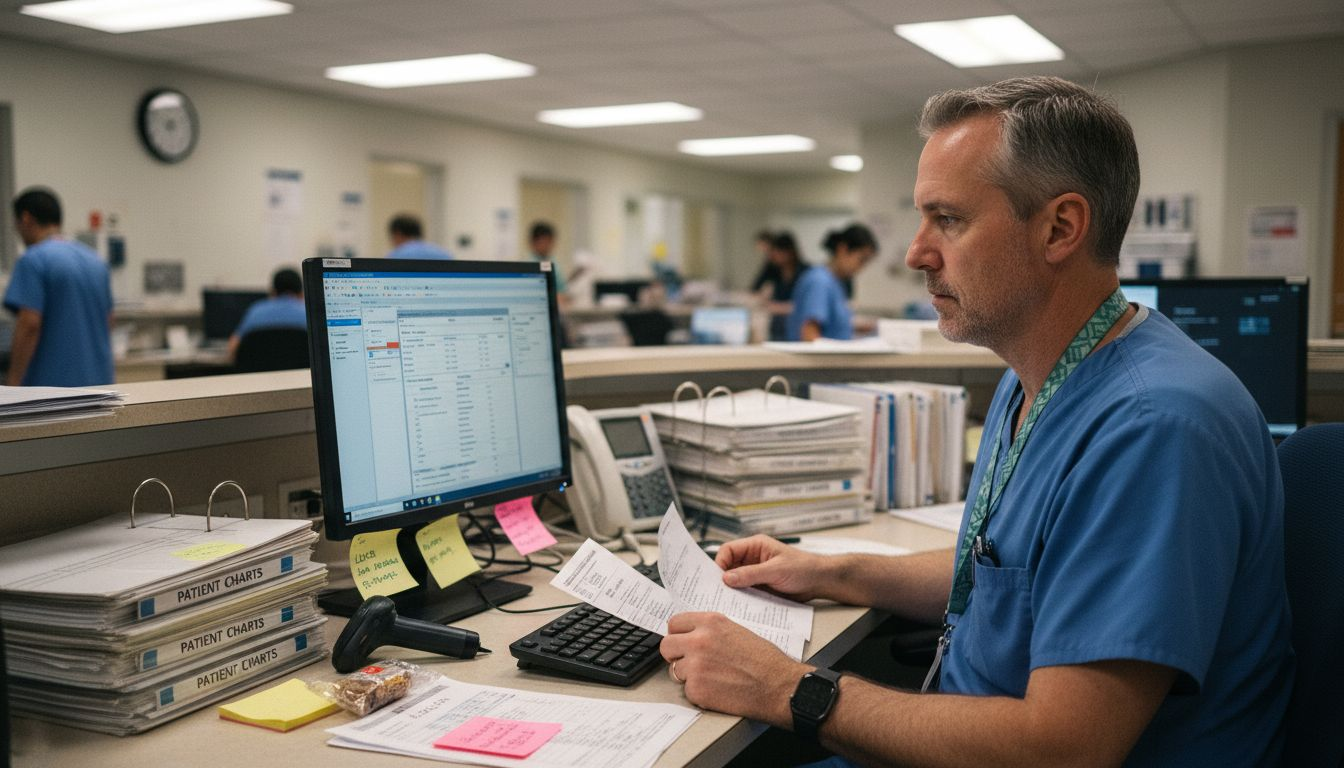
The workflow itself follows a structured sequence that repeats for every patient. A primary care provider, hospital discharge planner, or family member initiates the referral through whatever channel they use (phone, fax, electronic portal, or email). That referral then enters your system where it undergoes administrative triage first: Does the patient meet basic admission criteria? Is there bed availability? Can you service their insurance? Simultaneously, clinical triage happens where your clinical staff reviews whether the patient’s medical needs align with what your facility provides. If both pass, the system moves to payer authorization, confirming coverage and any prior authorization requirements. Once authorized, your team schedules the admission, coordinates with the referring provider about timing, confirms patient and family understanding of admission details, and then documents everything. The key insight is that referral management systems reduce unnecessary outpatient attendances by improving the completeness and appropriateness of referrals from the very beginning.
Without proper system support, this process becomes a fragmented mess. Your admissions coordinator receives a referral, manually enters patient data into your EMR, calls insurance to verify coverage, pulls up old clinical records to assess appropriateness, checks bed availability in a separate system, sends an email confirming acceptance, and then follows up repeatedly when information is missing. Automation and integration with your electronic health records dramatically change this reality by reducing manual errors and administrative burden. A well-functioning referral management system automatically captures patient demographics, pulls insurance information directly from payer systems, flags incomplete clinical information immediately, and generates appointment confirmations without human intervention. The result is faster decisions, fewer lost referrals, and your team spending time on actual patient care rather than administrative work.
Pro tip: Map out your current referral workflow step-by-step this week, identifying which steps are manual, which require multiple system entries, and which create delays, then prioritize automating the three highest-volume pain points first.
Key Benefits of Automated Referral Solutions
Automated referral solutions fundamentally change how your facility operates. Instead of your admissions coordinator spending 45 minutes per referral juggling phone calls, insurance verifications, and manual data entry, automation handles the repetitive work while your team focuses on patient care and relationship building. The efficiency gains are measurable and immediate. When referrals arrive electronically, patient demographics populate automatically. Insurance eligibility checks happen in real time without a single phone call. Clinical documentation flags missing information instantly so your staff can request it upfront rather than discovering gaps later. The result is faster decisions, fewer lost referrals to competitors, and your team actually having time to breathe during their shift.
Beyond speed, automation dramatically improves accuracy and compliance. Automated referral solutions minimize errors and standardize information exchange by ensuring every referral follows the same intake path and captures the same essential data points. No more missing insurance information because one coordinator forgets to ask. No more clinical details getting lost in translation between handwritten notes and your EMR. This consistency directly impacts your bottom line because fewer incomplete referrals mean fewer denials, fewer delays, and fewer patients who never actually show up because communication broke down. Your facility also gets built-in compliance support since automated systems enforce HIPAA requirements, maintain audit trails, and generate documentation automatically.
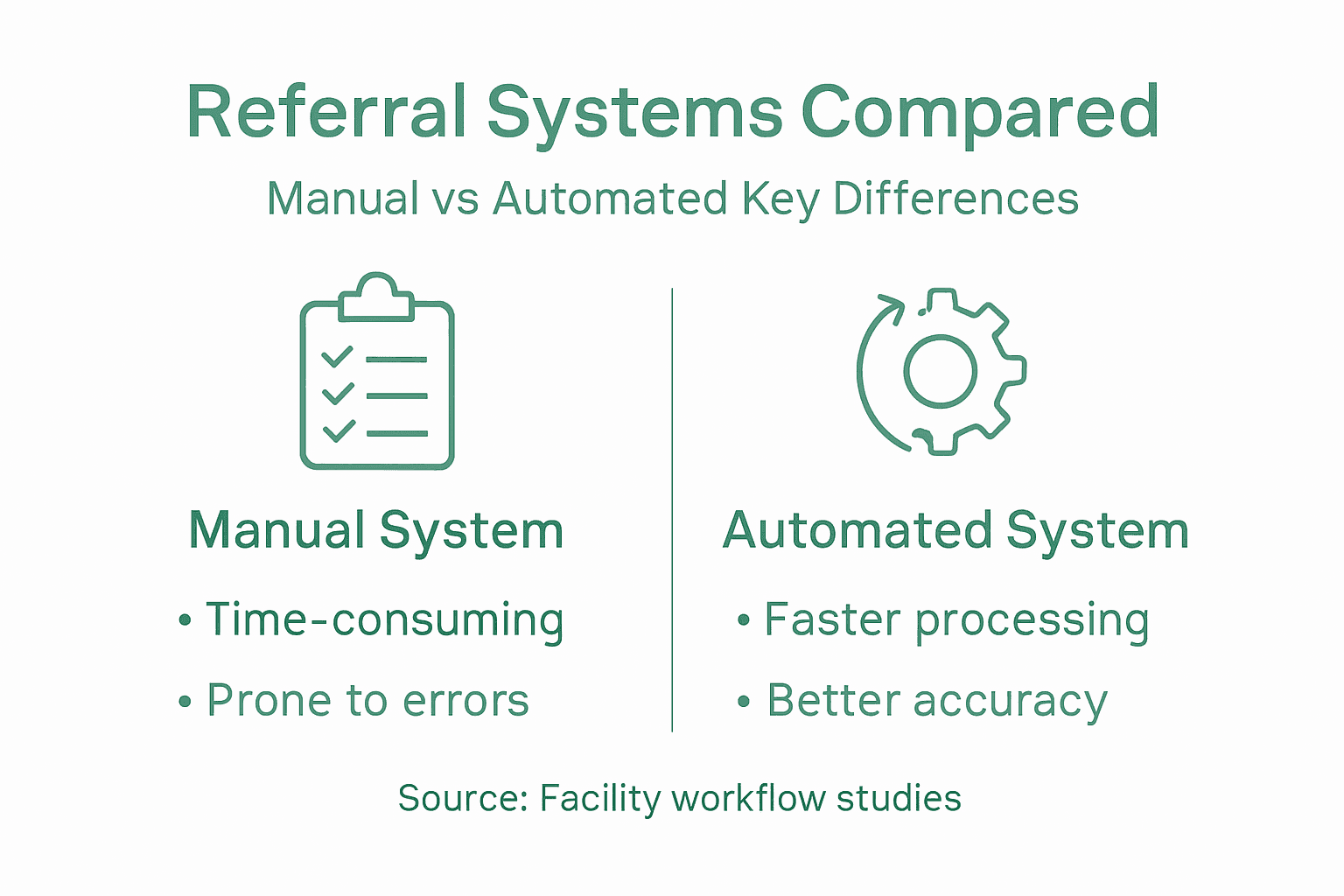
The strategic advantage comes from better decision-making and resource optimization. Automated triage systems evaluate referrals against your specific admission criteria consistently, ensuring you accept appropriate patients and redirect those who don’t fit. This sounds simple, but it’s revolutionary when you realize it means no more beds occupied by patients who need different care levels, no more length-of-stay issues caused by admission mismatches, and no more frustrated clinical staff managing patients outside your facility’s wheelhouse. You also get analytics. Real-time dashboards show you referral sources that convert well, admission criteria that predict successful outcomes, and bottlenecks in your intake process. Armed with this data, you can optimize staffing, identify which referring providers send highest-quality referrals, and make evidence-based decisions about facility operations rather than guessing.
Perhaps most importantly, automated systems create competitive advantage in a tight referral market. When you can confirm bed availability and acceptance within 5 minutes instead of 45, you win the patient. When you have clean, complete clinical information ready for your team on day one, admissions happen smoothly. When your facility demonstrates reliability and responsiveness, discharge planners remember you and send referrals preferentially. Reduced referral numbers through better triage and improved coordination between providers isn’t just about quality, it’s about revenue. Higher bed occupancy rates, faster admissions, and fewer administrative costs directly improve your facility’s financial performance.
Summary of automated versus manual referral management impacts:
| Aspect | Manual Systems | Automated Solutions |
|---|---|---|
| Speed | Slow, labor-intensive | Fast, task automation |
| Data Accuracy | Prone to human error | Standardized, consistent data |
| Compliance | Hard to track | Built-in oversight |
| Staff Experience | High stress, overload | Focus on patient care |
Pro tip: Calculate your actual cost per referral processed today (staff time, systems, follow-up calls) by tracking one coordinator’s day, then compare it to the automated cost to make your ROI case to leadership.
Risks, Challenges, and Mistakes to Avoid
Referral management sounds straightforward until you’re actually managing it. Most skilled nursing facilities encounter the same predictable pitfalls, and recognizing them early saves months of frustration and lost revenue. The biggest mistake is treating referral management as a one-time event rather than an ongoing process. Your admissions coordinator receives a referral, admits the patient, and then considers the job done. But that referral isn’t truly managed until the patient successfully completes their stay and transitions to the next level of care. When you abandon the referral midway, communication breaks down. The patient arrives confused about what to expect. Clinical staff don’t have complete information. The referring provider never hears back about outcomes. This fragmented approach creates patient dissatisfaction, clinical errors, and worst of all, referring providers stop sending you referrals because they can’t rely on you to keep them informed.
Another critical error is allowing administrative overload to go unchecked. Your team gets buried under manual data entry, phone tag with insurance companies, and endless follow-ups on missing information. When this happens, referrals literally fall through the cracks. A discharge planner calls Wednesday afternoon, your coordinator promises a callback Thursday, but Thursday is chaos and you never call back. By Friday the patient goes elsewhere. You never even knew you lost that referral. Common mistakes in referral management include communication breakdowns between referring and receiving providers that prevent timely patient care and lead to lost opportunities. The solution isn’t hiring more staff. It’s automating the repetitive work so your team can actually focus on the referrals that need human judgment.
Incomplete or incorrect clinical information creates downstream disasters. A referral arrives with missing insurance details, so your team assumes coverage and admits the patient. Days later you discover the patient has no authorization and the claim will deny. Now you’re stuck fighting with the payer while the patient worries about bills. Or a referral lacks critical clinical information about medications or allergies, and your clinical staff makes decisions based on incomplete data. These aren’t just administrative headaches. They’re patient safety issues. You avoid this by building standardized intake processes that flag missing information immediately, before admission, so you can request it upfront. Don’t assume you’ll get complete information later. Make it a requirement upfront.
Many facilities also struggle with poor follow-up systems. A patient is admitted, but nobody tracks whether they’re actually showing up on admission day, whether their family received clear directions, or whether their insurance authorization came through. When admission day arrives and the patient doesn’t show, you scramble. Or worse, they show up but their room isn’t ready because nobody confirmed the bed actually became available. Implement clear protocols: Who confirms the patient 24 hours before admission? Who verifies insurance authorization is in the system? Who briefs the clinical team on any special needs? Write it down. Assign it to specific people. Automate reminders. Don’t rely on memory during a busy day.
Pro tip: This week, review your last 10 admissions and identify where communication broke down or information was missing, then design a single-step checklist that catches those specific failures before they happen again.
Transform Your Referral Management Process with Smart Admissions
Referral management requires seamless coordination, accuracy, and speed to keep patient admissions flowing smoothly while avoiding costly errors and delays. If your facility struggles with fragmented workflows, excessive manual data entry, or lost referrals due to inefficient communication channels, you are not alone. The challenges described in “What Is Referral Management and Why It Matters” highlight how critical it is to eliminate those bottlenecks and deliver reliable, consistent patient intake experiences.
Smart Admissions offers a comprehensive SaaS platform purpose-built for skilled nursing facilities and post-acute care providers to tackle these exact pain points. Our AI-powered referral management assistant integrates effortlessly with your existing Electronic Medical Records and insurance portals to provide:
- Real-time patient eligibility verification
- Automated clinical assessments
- Standardized documentation management
- Faster bed confirmation and admission decisions
Ready to stop losing referrals and reduce admissions delays? Explore how Smart Admissions can help your facility boost bed occupancy, decrease staff burnout, and improve revenue through smarter referral workflows. Visit Smart Admissions and start optimizing your referral management today. For a step-by-step look at how automation transforms your intake process, see our detailed overview at Smart Admissions Platform. Don’t wait as every delayed referral could be a missed patient and missed revenue opportunity.
Frequently Asked Questions
What is referral management in healthcare?
Referral management is the systematic coordination of transferring patient care responsibilities from one provider to another, ensuring patients receive appropriate services while promoting efficiency.
Why is effective referral management important?
Effective referral management minimizes care fragmentation, guarantees continuity throughout a patient’s stay, and improves patient outcomes while maximizing organizational revenue by reducing referral leakage.
What are the common misconceptions about referral management?
A common misconception is that referral management ends once a patient is admitted. In fact, it continues throughout the patient’s care to ensure proper communication and avoid delays or errors.
How does an automated referral management system benefit healthcare facilities?
Automated referral management systems streamline processes by reducing manual errors, improving data accuracy, and enabling faster decision-making, ultimately leading to better patient care and resource optimization.
Recommended
- The Busy Administrator’s Guide to Streamlining Referral Processes in Under an Hour – Smart Admissions
- How to Cut Referral Processing Time from 45 to 5 Minutes | AI Admissions Automation for Skilled Nursing Facilities
- AI Referral Management: The Complete Implementation Checklist for SNFs – Smart Admissions
- 7 Clinical Red Flags Your Admissions Team Should Catch in Every Referral – Smart Admissions